Set the sports experience vision
Defined how users could discover, plan, watch and return to live sport within a broader entertainment service.
I owned the end-to-end UX direction for the sports lens—from research and domain modelling to live viewing, subscription and pay-per-view journeys.
Sports introduced a different set of behaviours and commercial pressures from on-demand entertainment: rights were fragmented, schedules mattered, metadata changed in real time and the value of an event could peak within minutes.
I drove the research process and requirements, translated insight into product direction, and connected information architecture, taxonomy, live-player logic and purchase journeys into one end-to-end experience. I also managed and supported designers across concurrent streaming workstreams, using critique and cross-functional reviews to maintain quality.
Defined how users could discover, plan, watch and return to live sport within a broader entertainment service.
Connected qualitative behaviour, survey evidence, product goals and commercial requirements to design priorities.
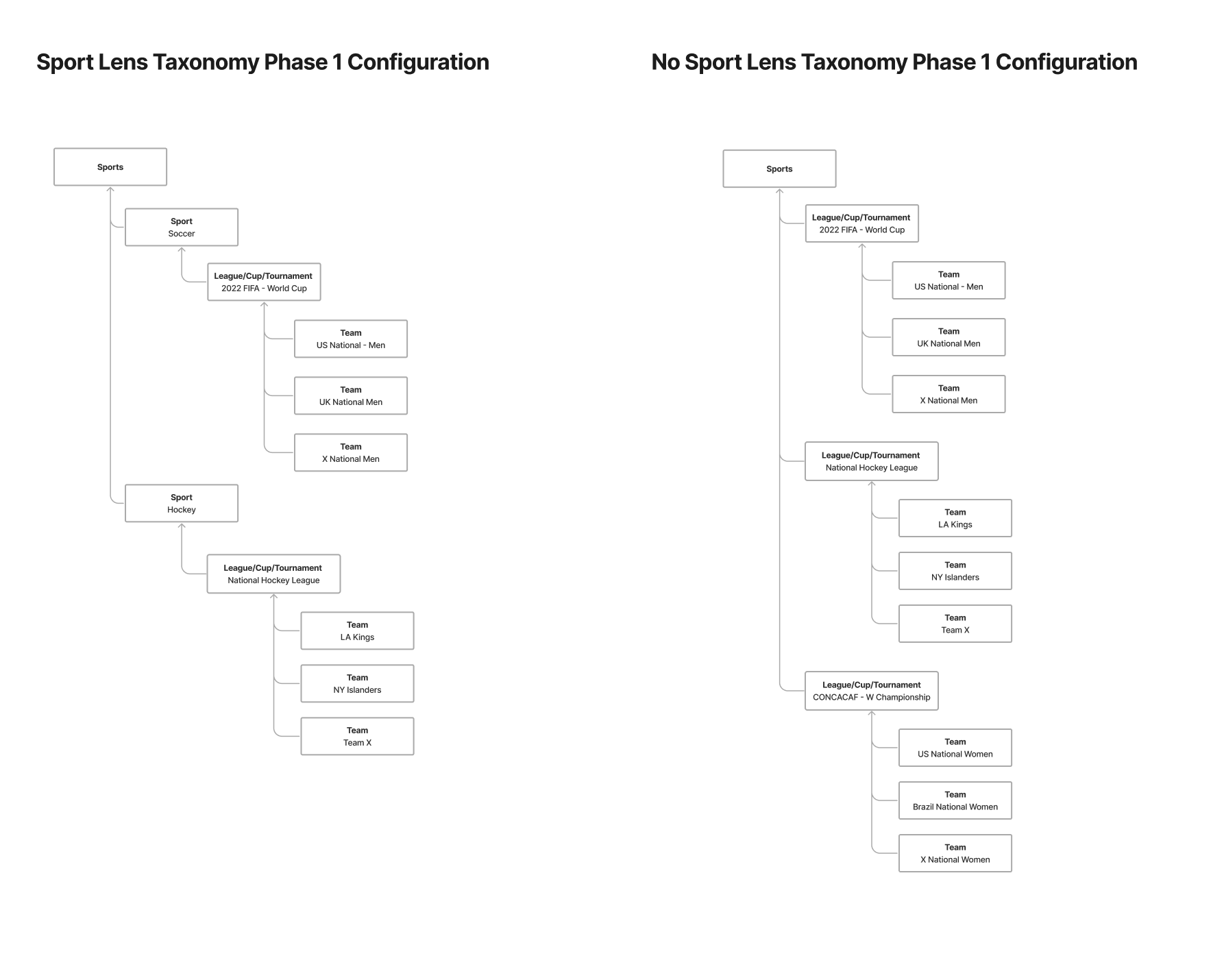
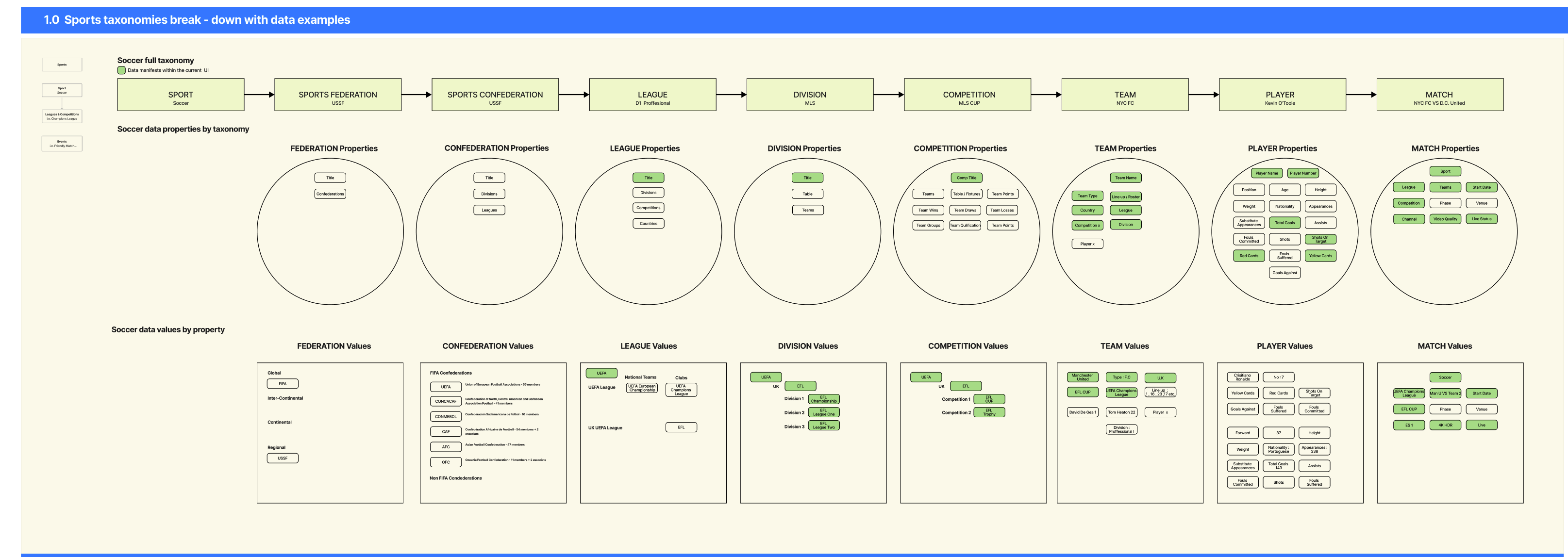
Created an architecture for sports, competitions, leagues, teams, players, matches and changing event states.
Translated direction into journeys, player concepts, reusable components, artwork guidance and implementation decisions.
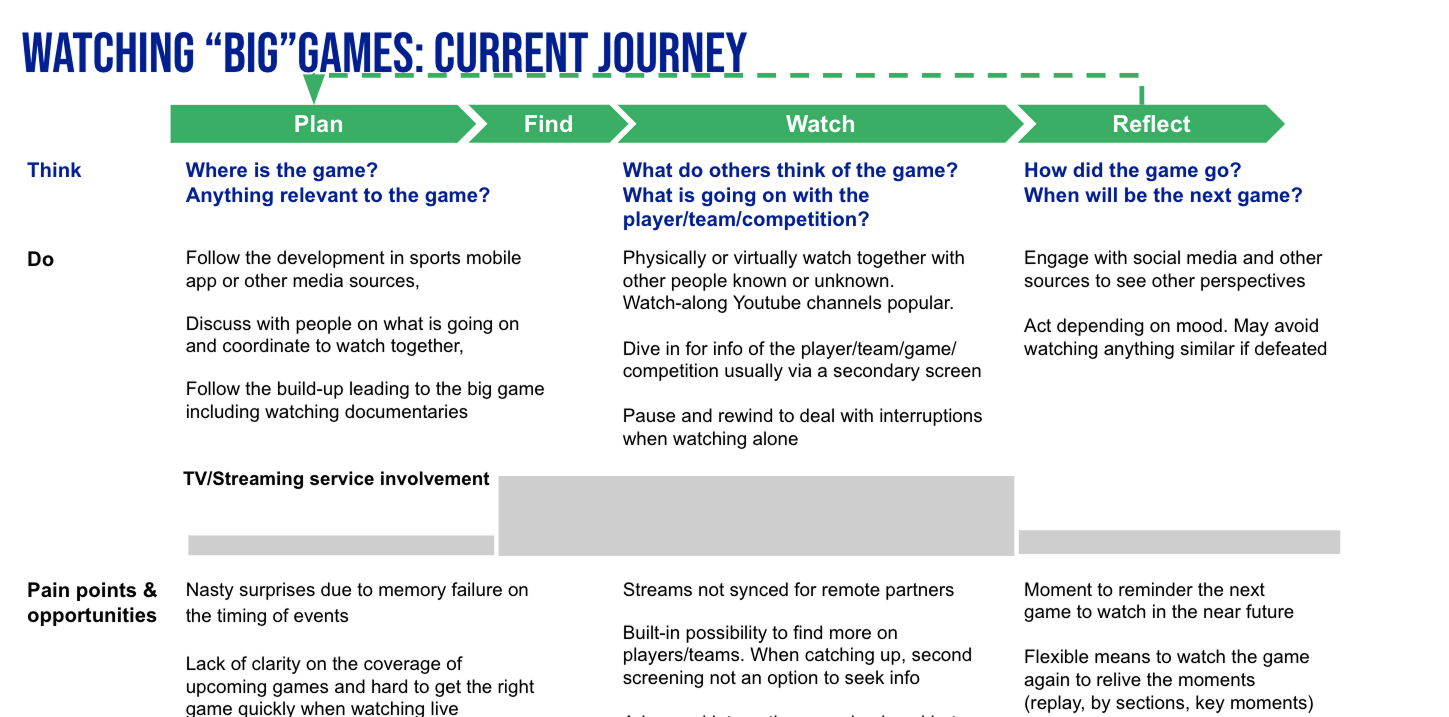
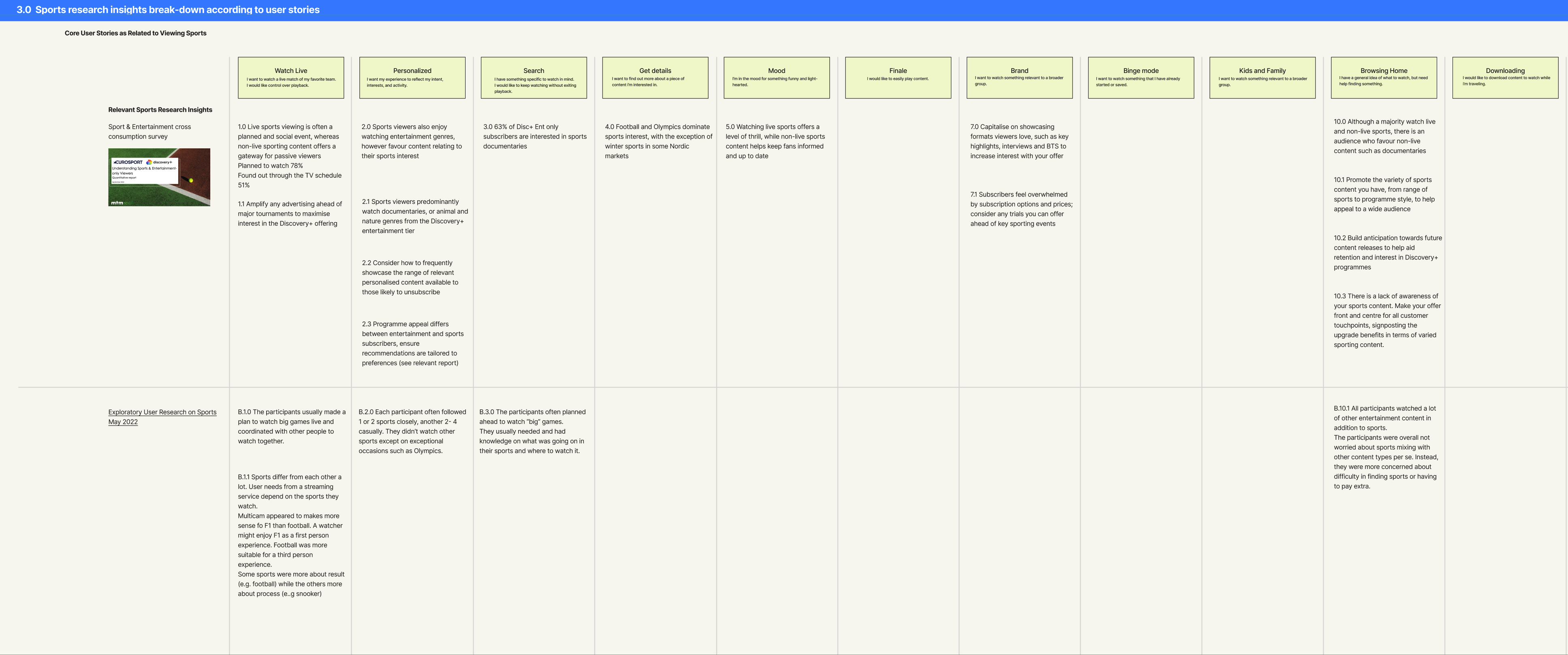
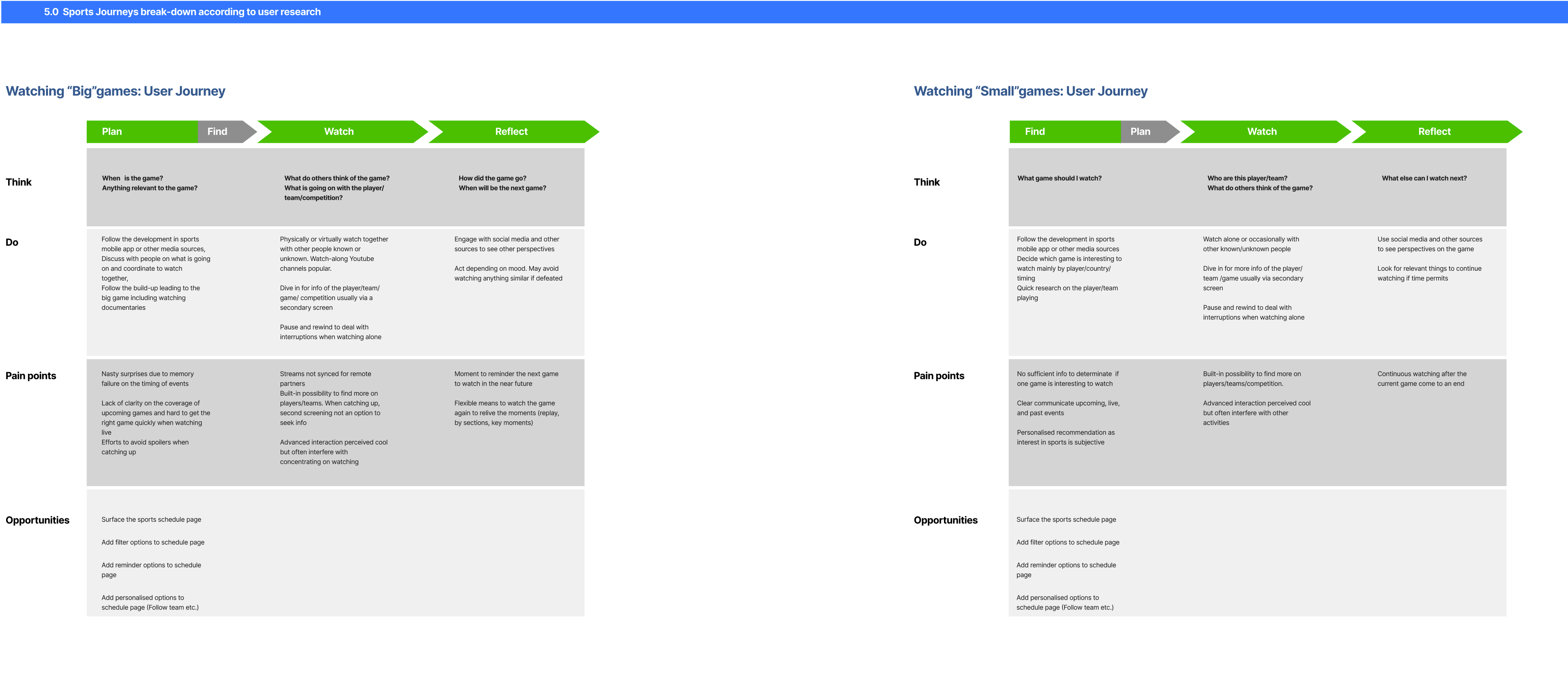
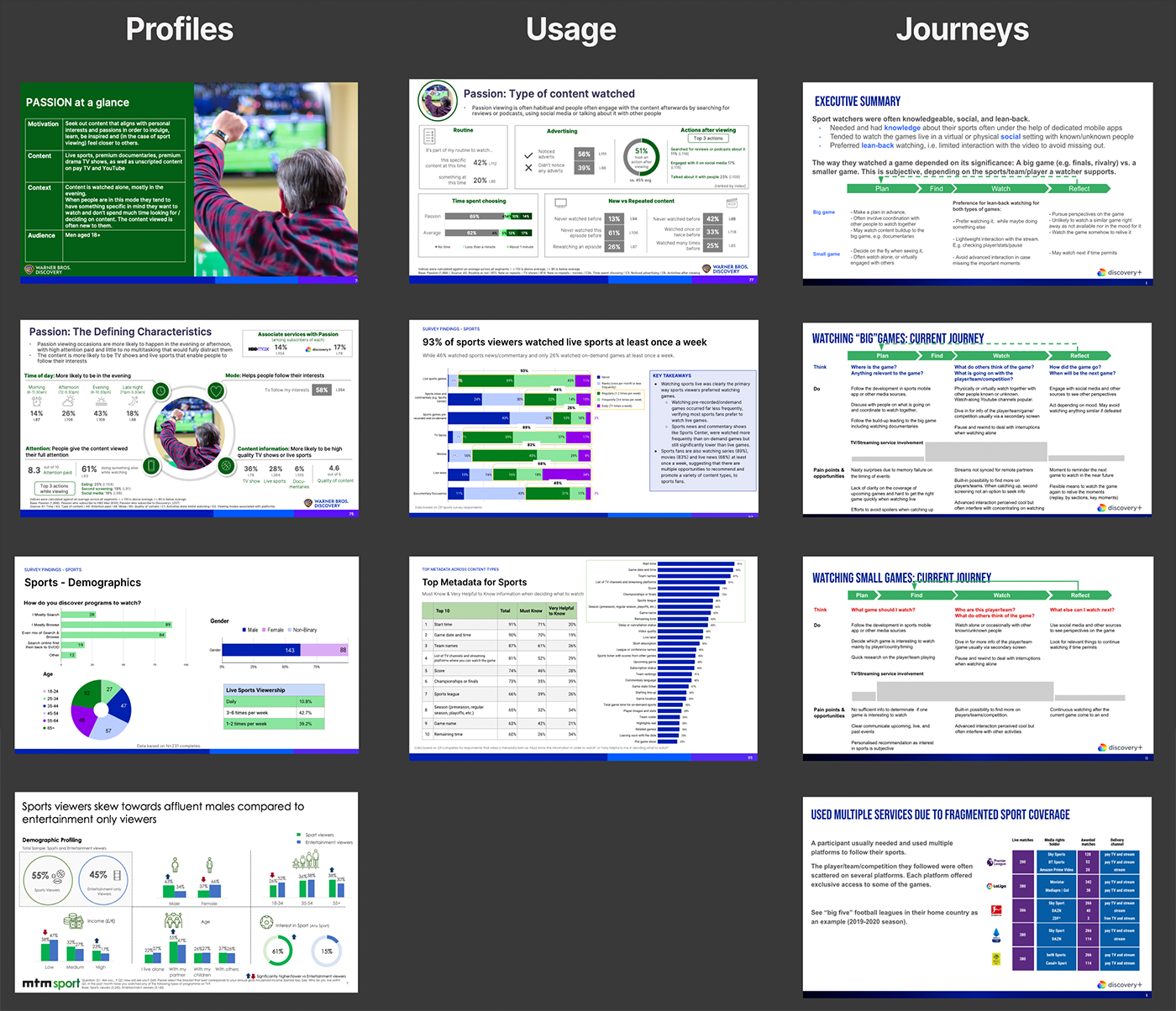
Research showed that sports audiences frequently crossed services because coverage was fragmented. The significance of a game shaped behaviour: viewers planned around major events, searched across channels, watched with heightened attention and looked for commentary, highlights or the next fixture afterwards.
I used these patterns to define requirements for event discovery, scheduling, metadata, access states, live viewing and post-event continuation—keeping user needs and commercial goals connected from the start.
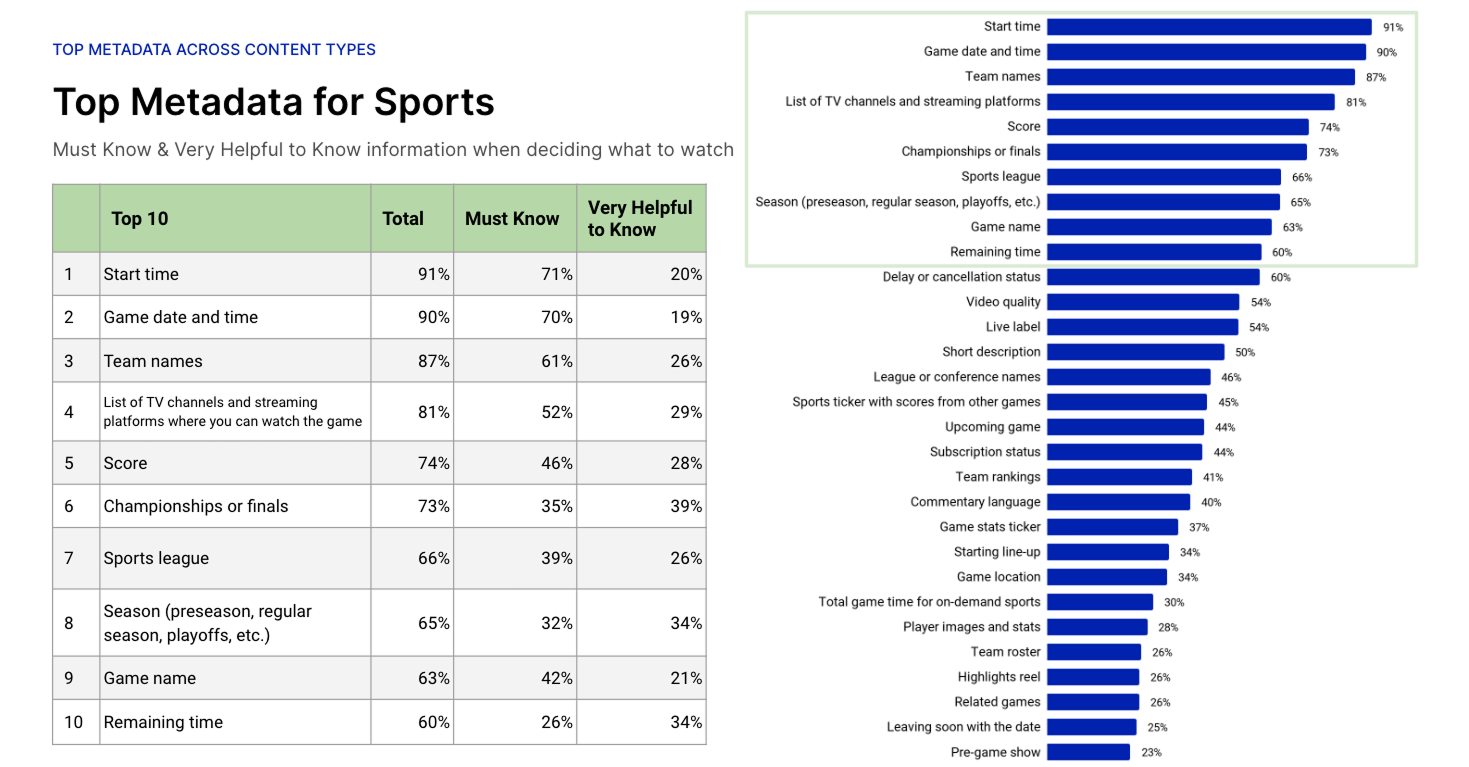
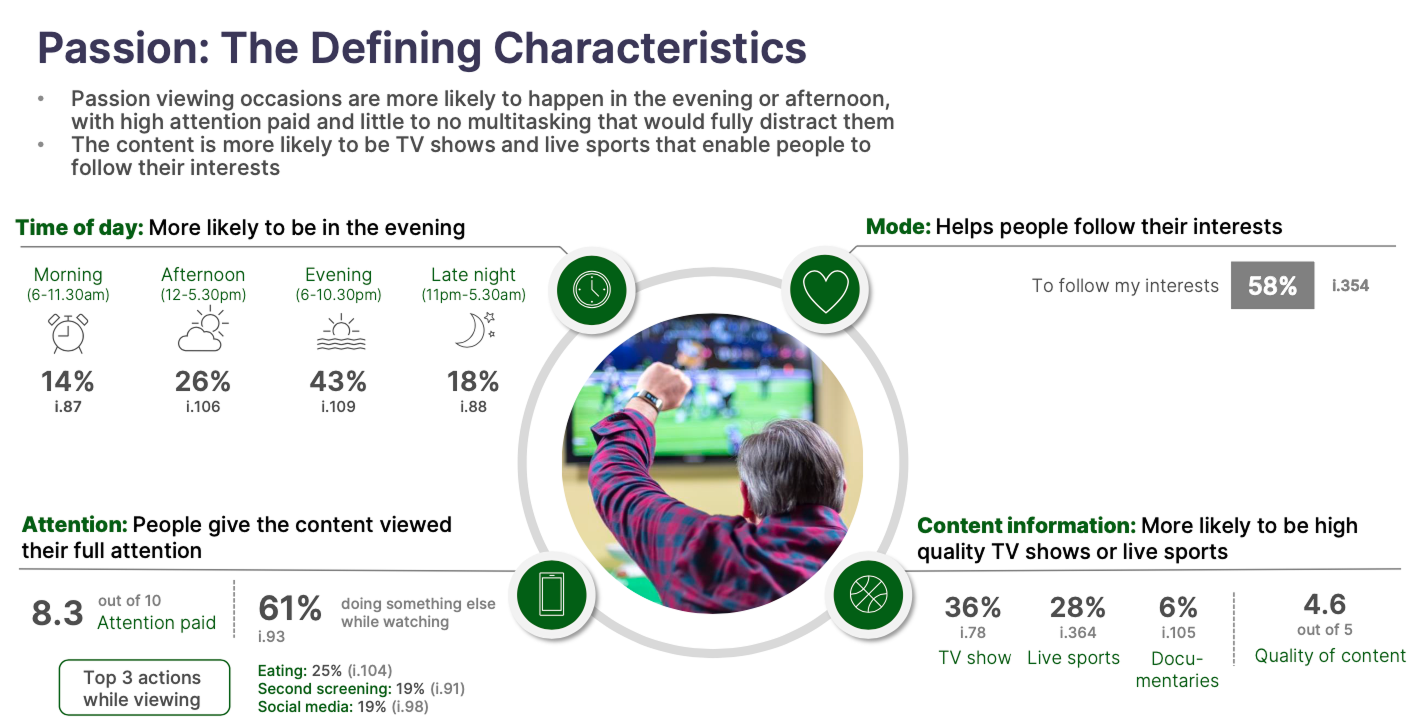
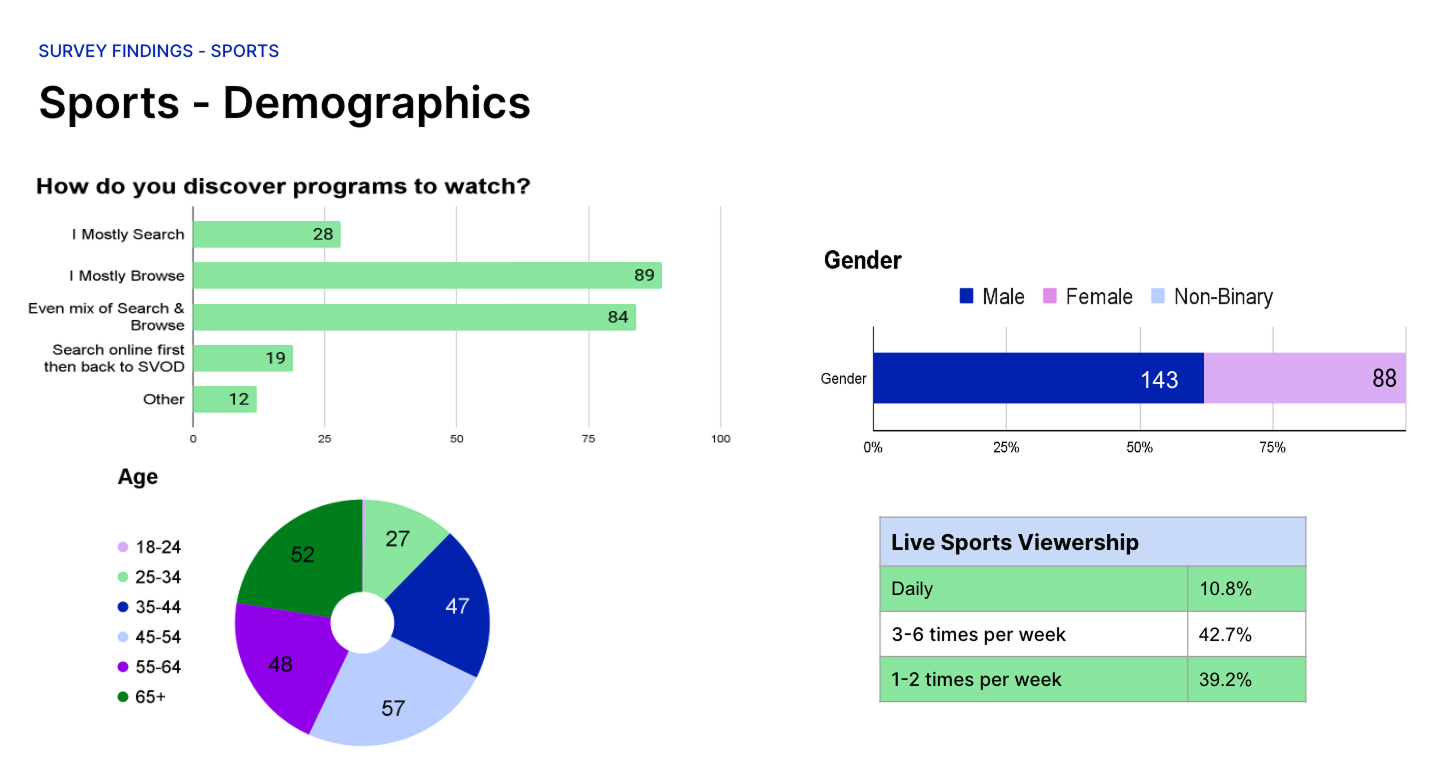
A conventional content catalogue could not express the relationships and changing states that matter in sport. I defined a dedicated sports taxonomy and refined metadata so the experience could distinguish live, upcoming and on-demand content while connecting events to competitions, teams and players.
That structure made the experience easier to browse for users and more practical for product, content and engineering teams to operate across different rights packages and sports.
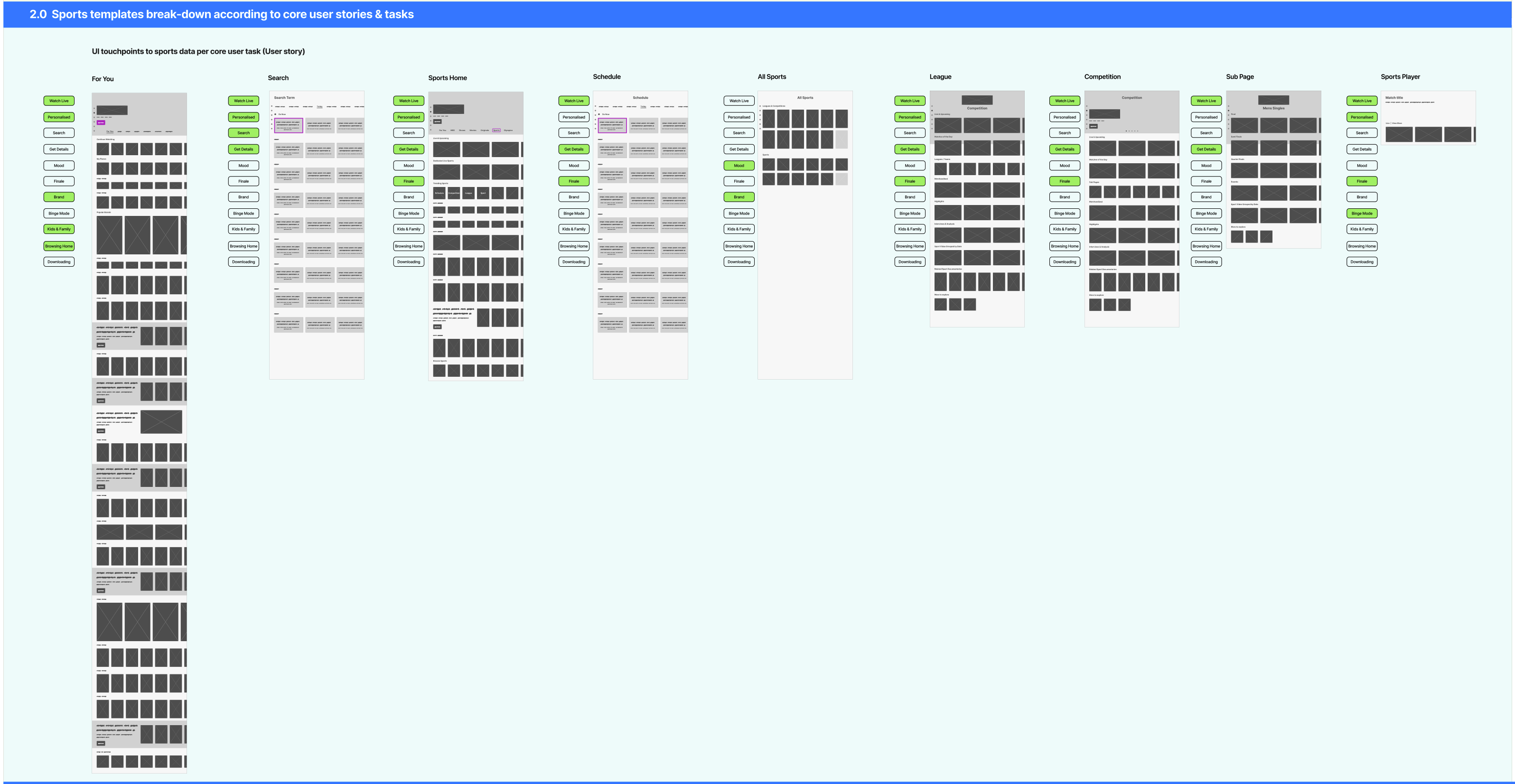
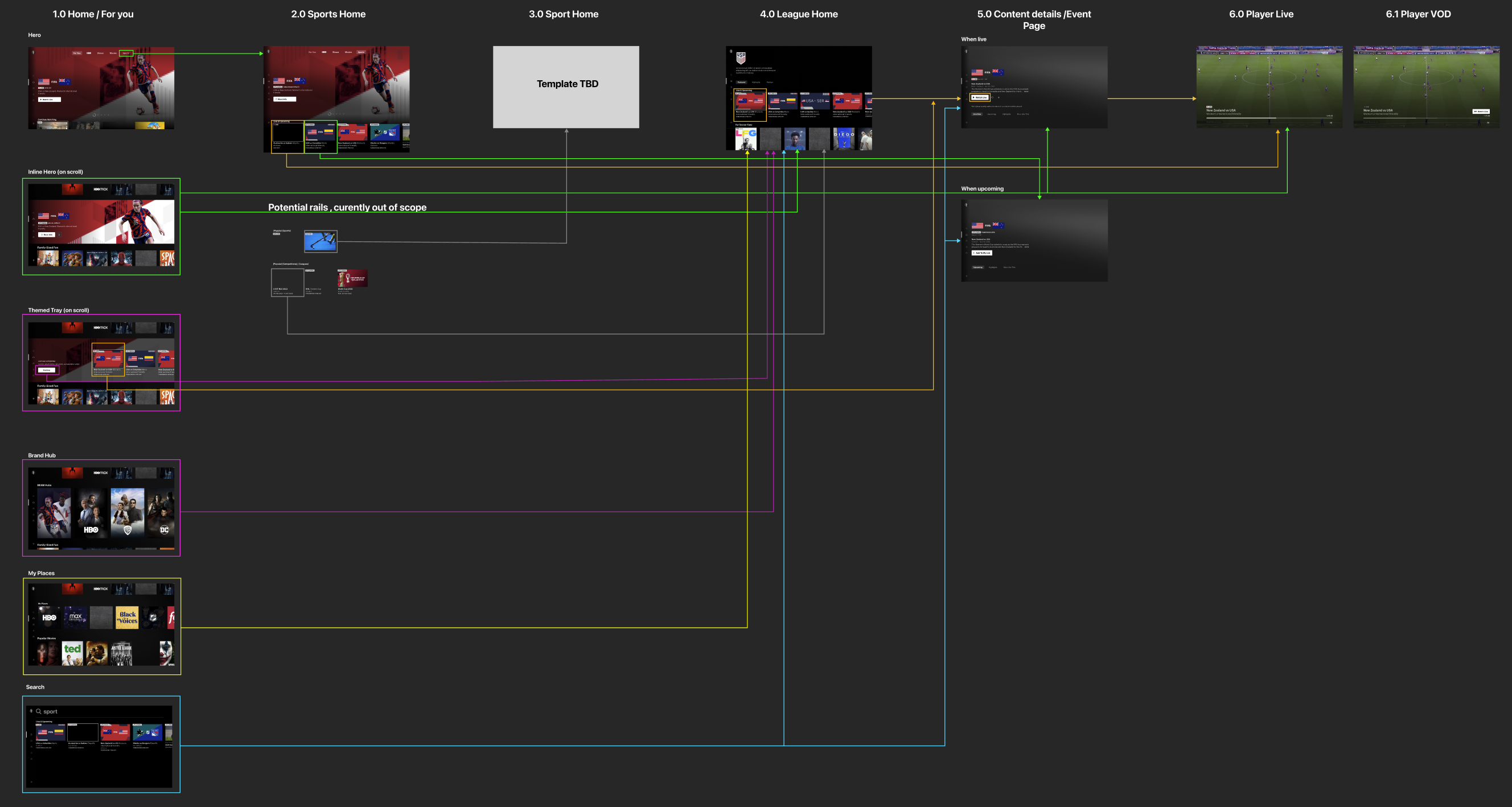
The product direction treated sports as a connected lifecycle rather than a single player screen. Each stage created a clear user job and an opportunity to strengthen retention, subscription value or conversion.
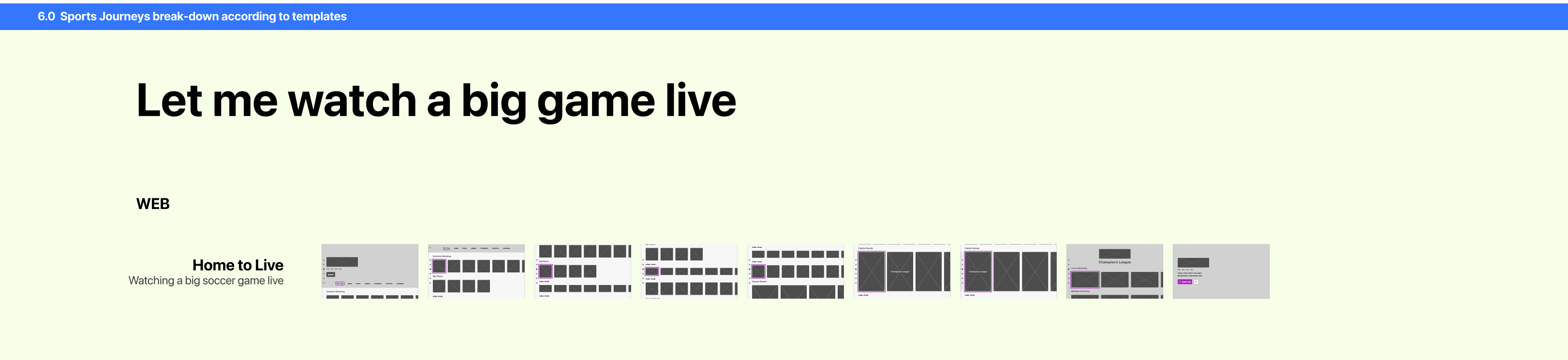
Find sports, leagues, teams, live events and highlights through a dedicated lens and relevant rails.
Understand start times, access requirements and availability, then schedule or save what matters.
Enter a live player with event status, tracking, sharing and pathways between concurrent games.
Move into replays, highlights, related stories and the next relevant event without losing momentum.
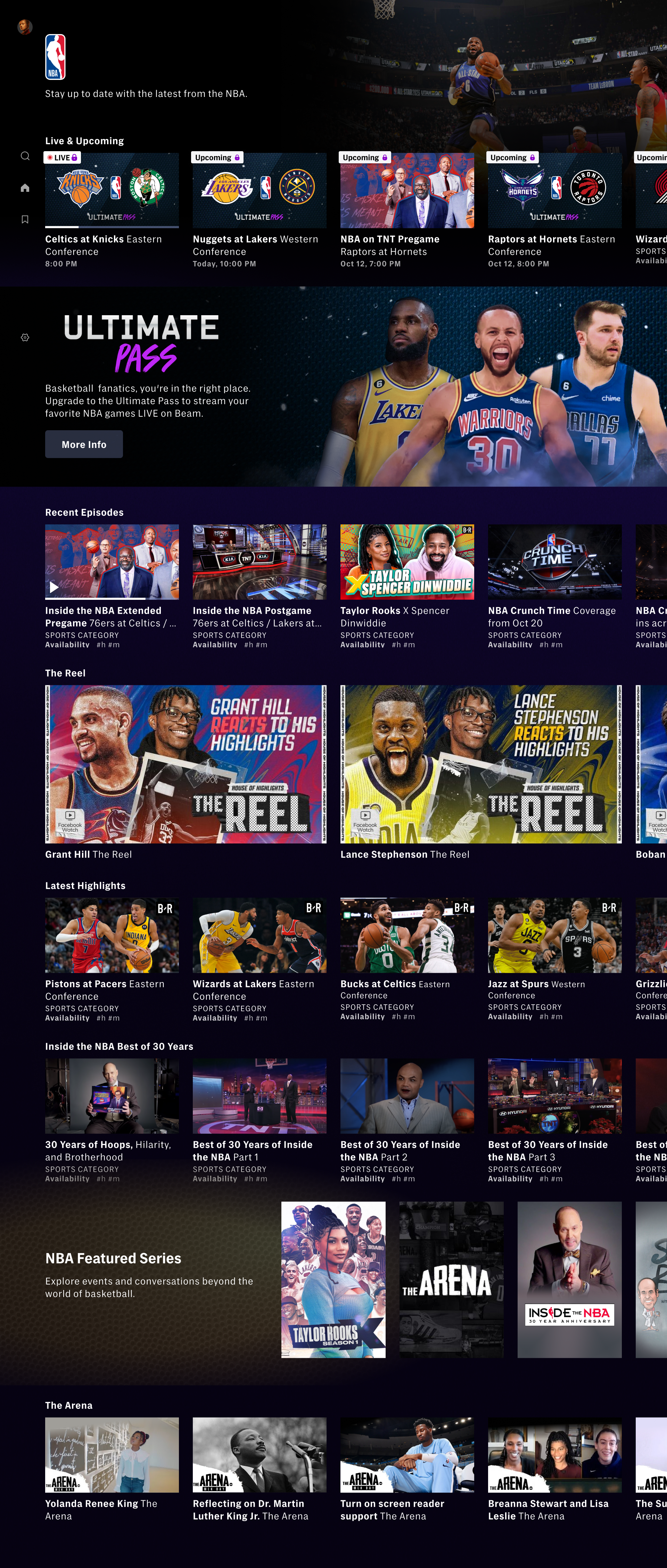
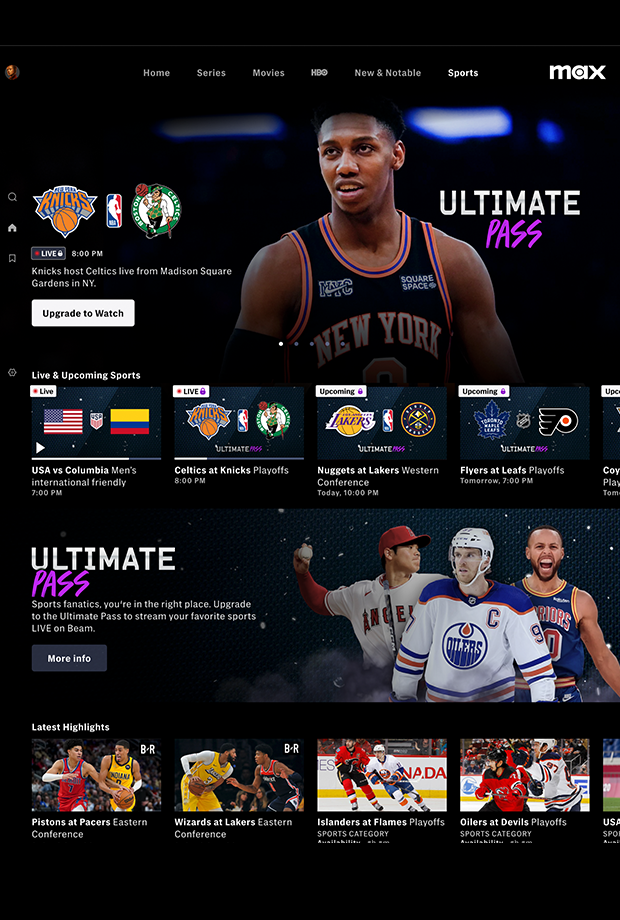
The sports hub brought live and upcoming events, leagues, highlights and editorial content into a clear visual hierarchy. Access states and upgrade prompts were integrated into the experience so monetisation felt connected to the event viewers wanted to watch.
The direction balanced the energy of live sport with a systematic content model that could support different leagues, territories and devices.
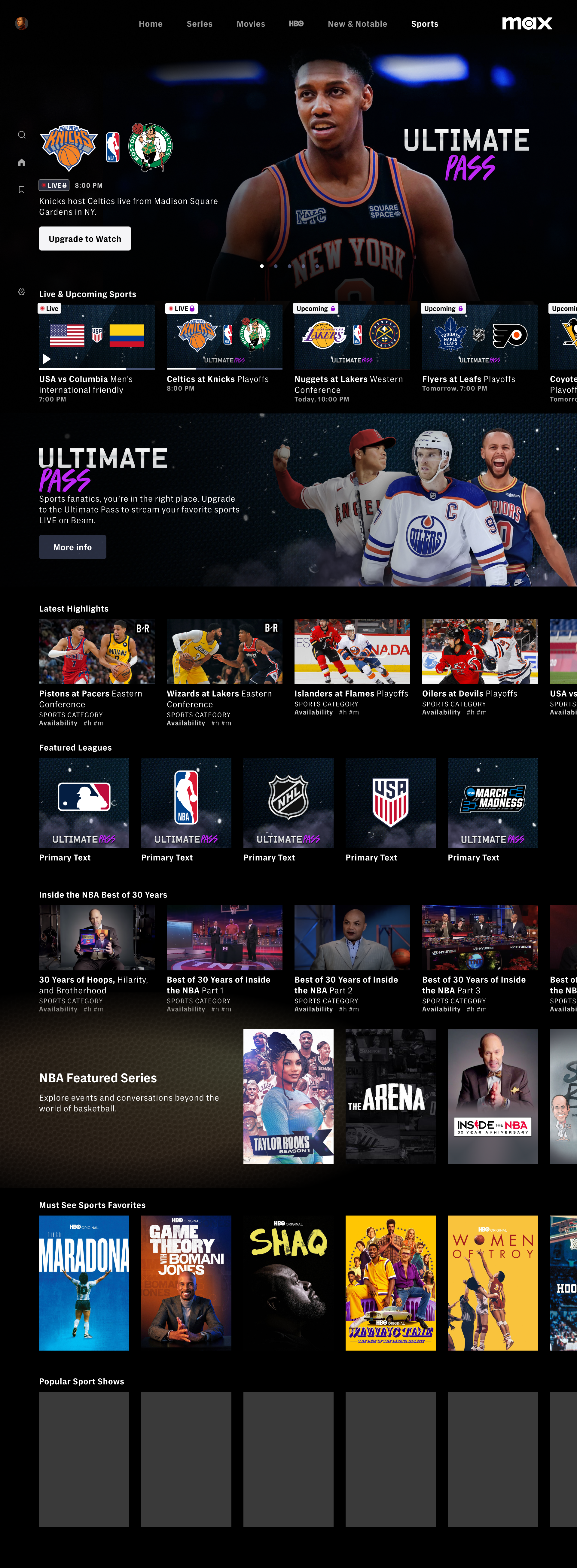
The final direction preserved the same live-event priority, subscription messaging and content hierarchy from desktop to tablet and mobile—adapting density and interaction without diluting the proposition.
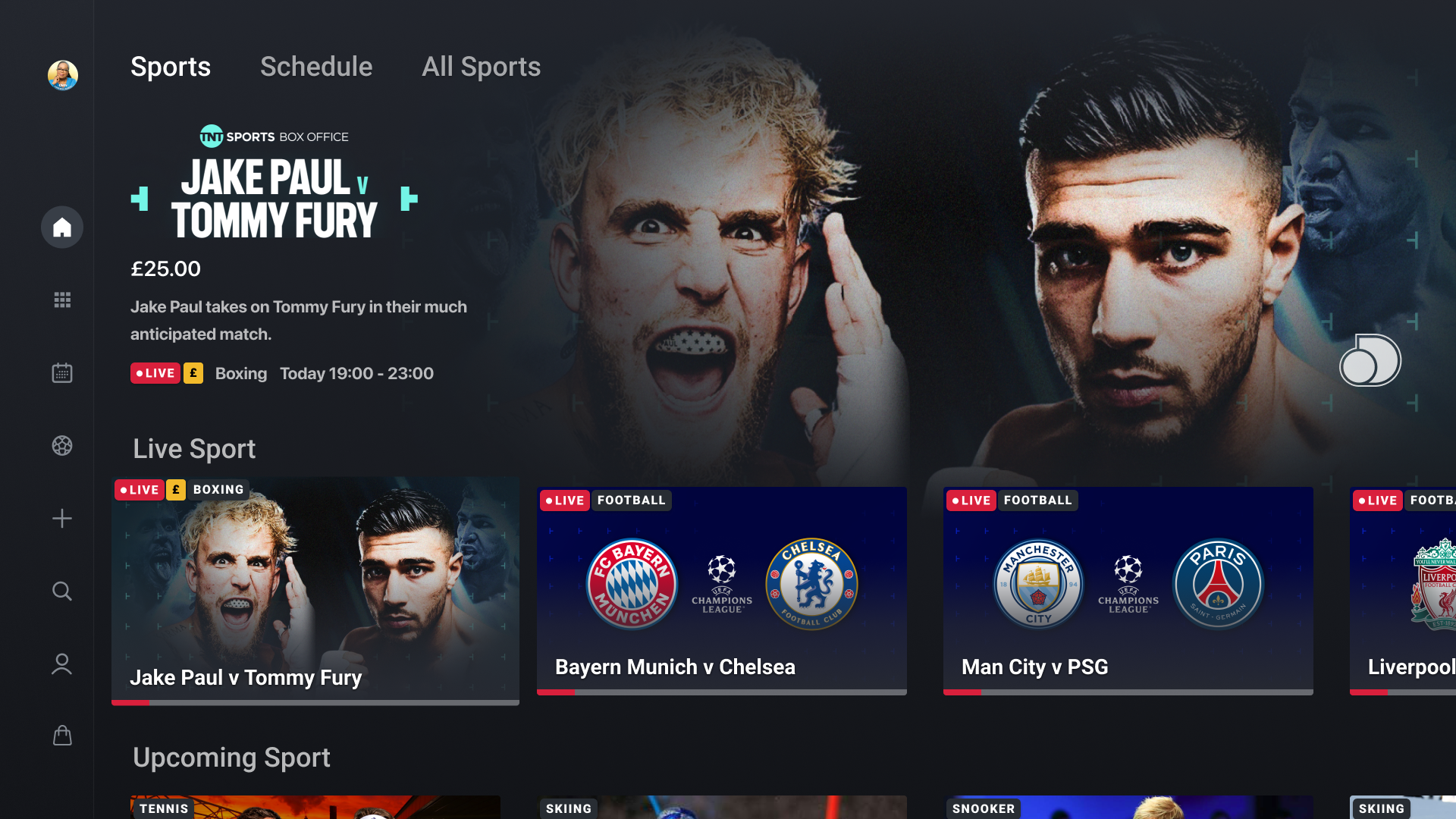
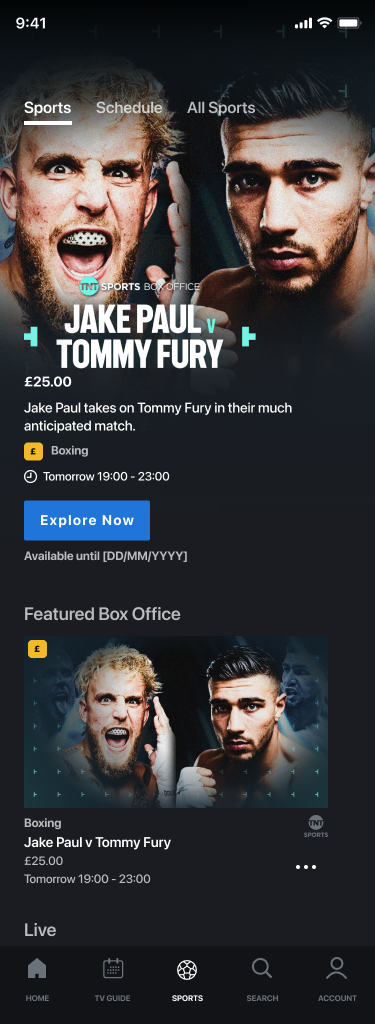
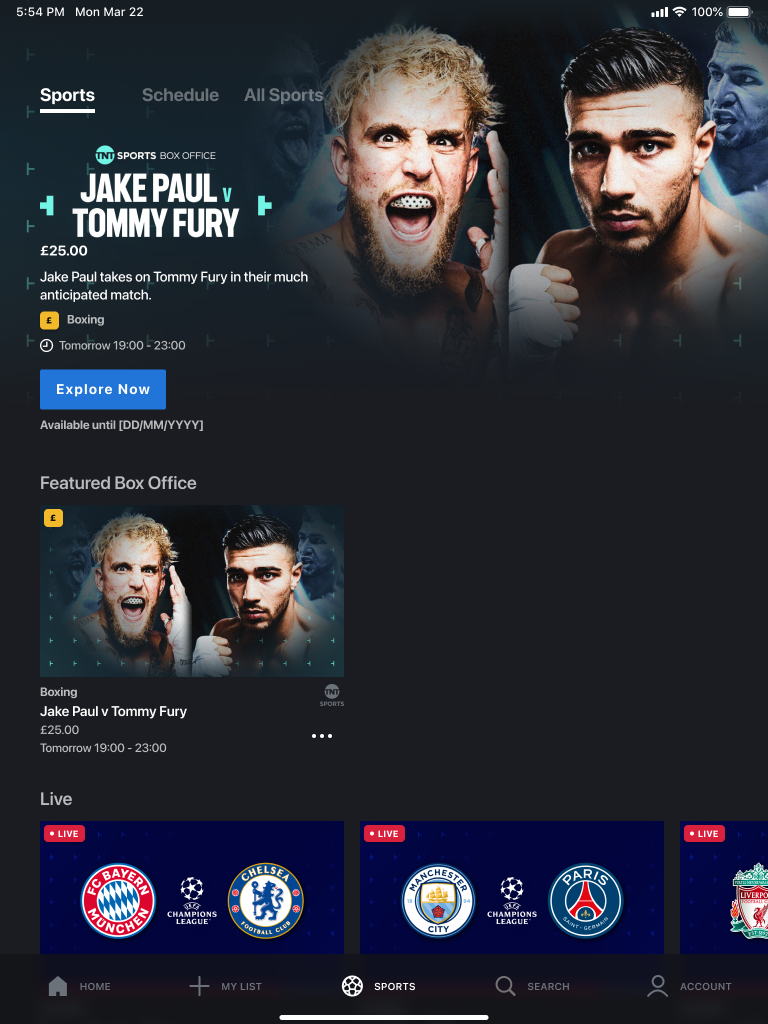
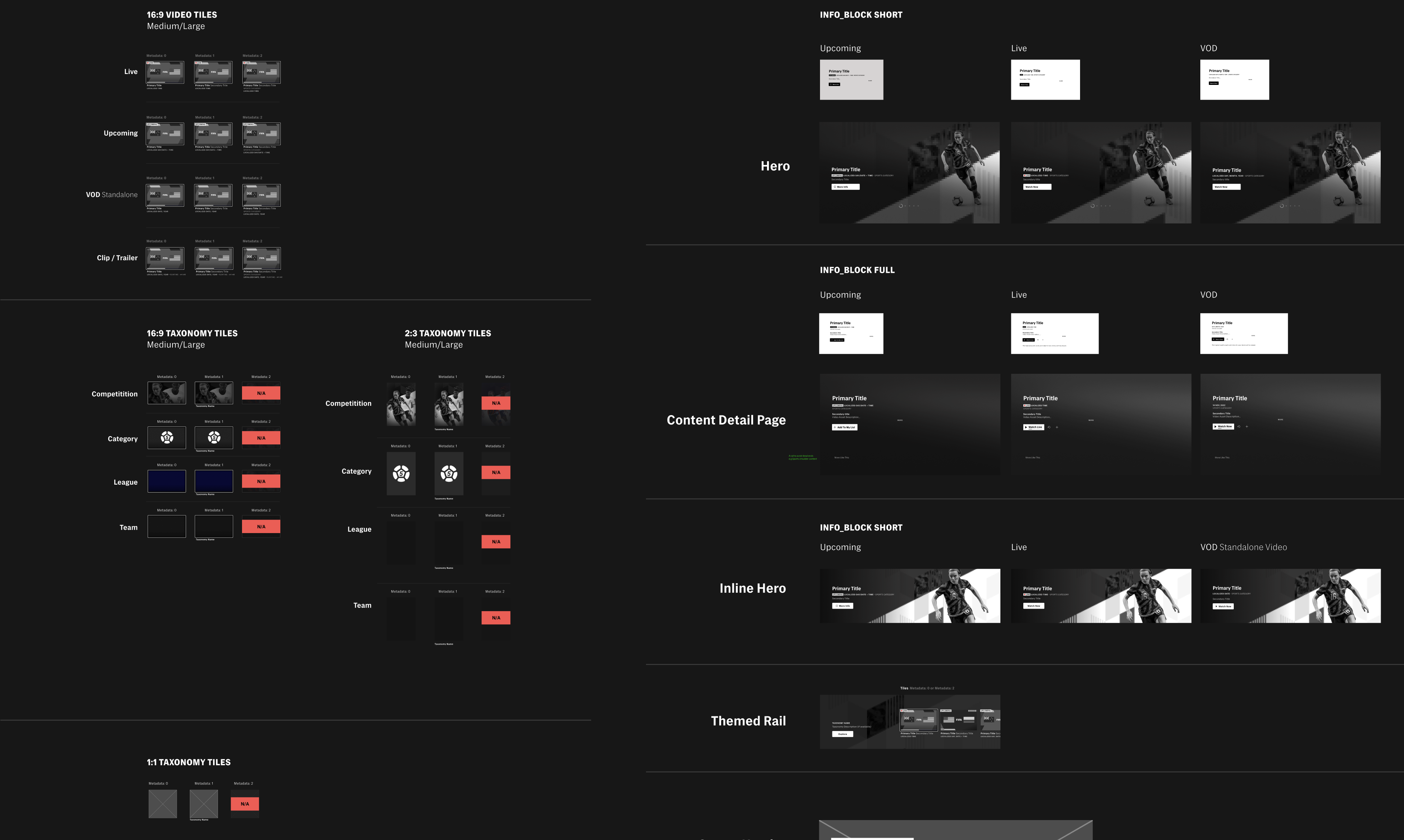
I defined how event states and sports metadata should appear across tiles, heroes, content-detail pages and themed rails, then connected the UI rules to responsive artwork requirements. This reduced ambiguity between design, content operations and engineering while protecting quality across devices.
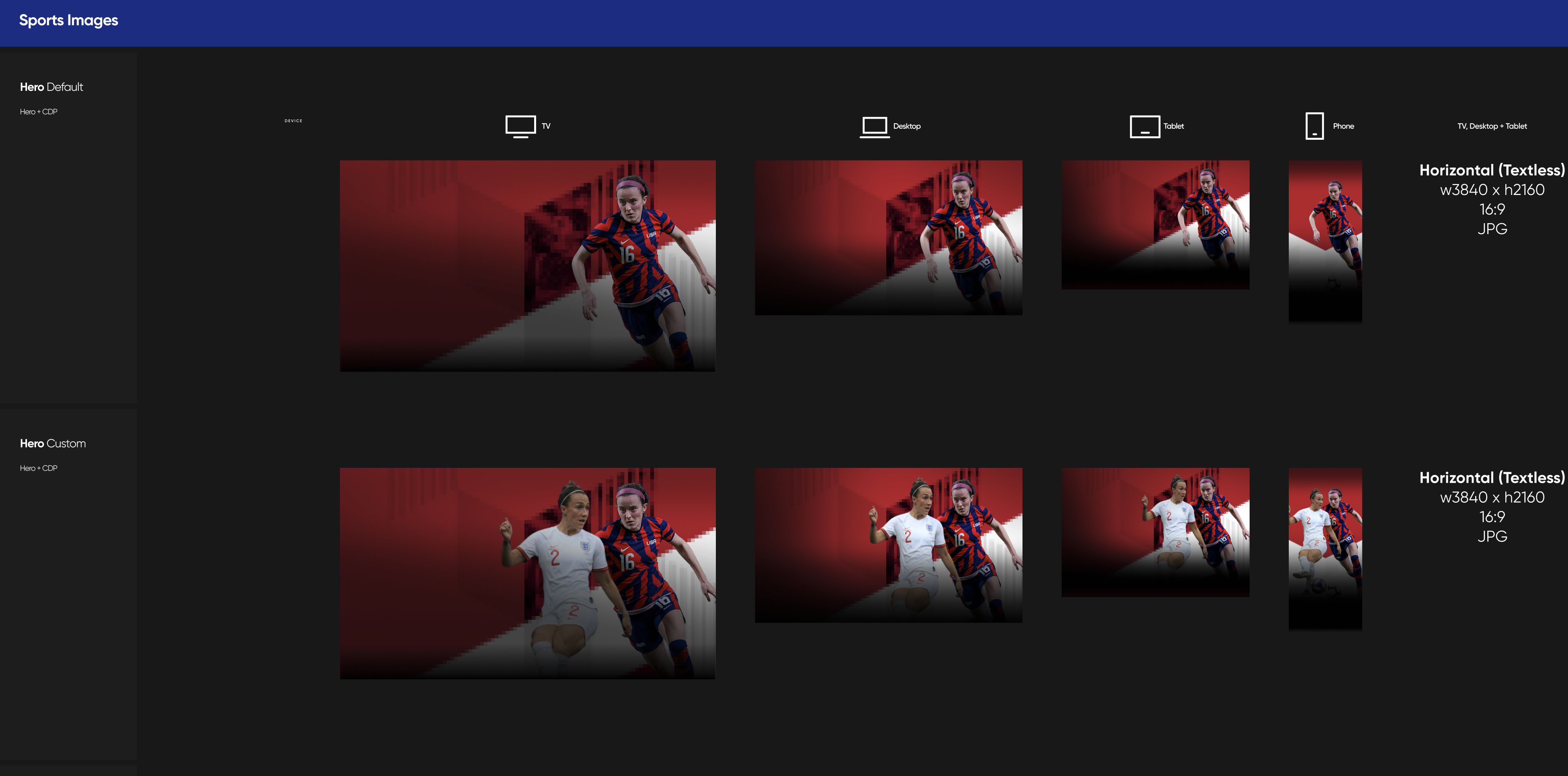
The product work extended from discovery into the live player and commercial journeys around it: event timelines, concurrent-game navigation, sharing, subscription upgrades and pay-per-view checkout. Exploratory concepts such as multimatch viewing were clearly separated from production-ready flows and used to align future direction.
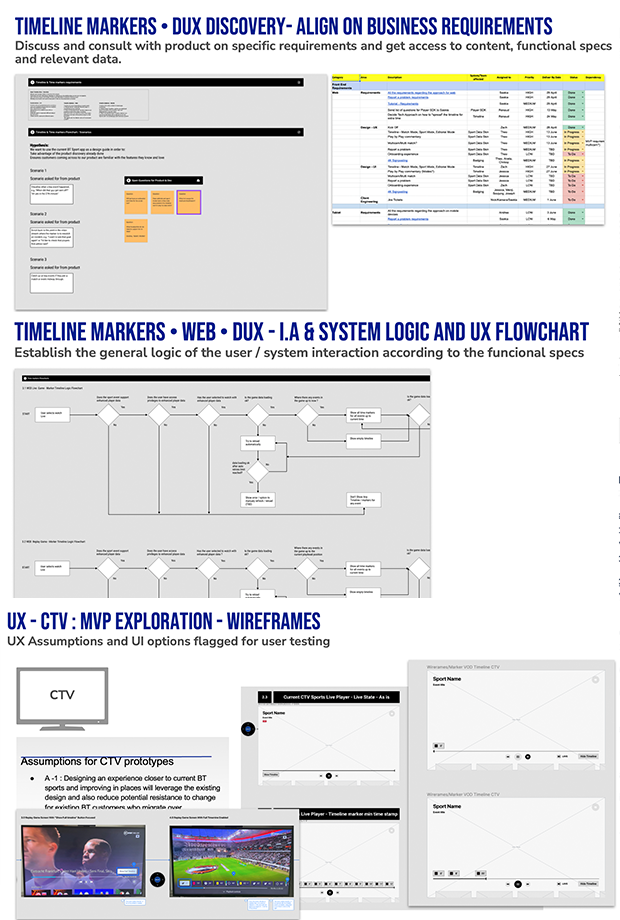
Translated requirements into player flows, timeline markers and connected-TV interaction options.
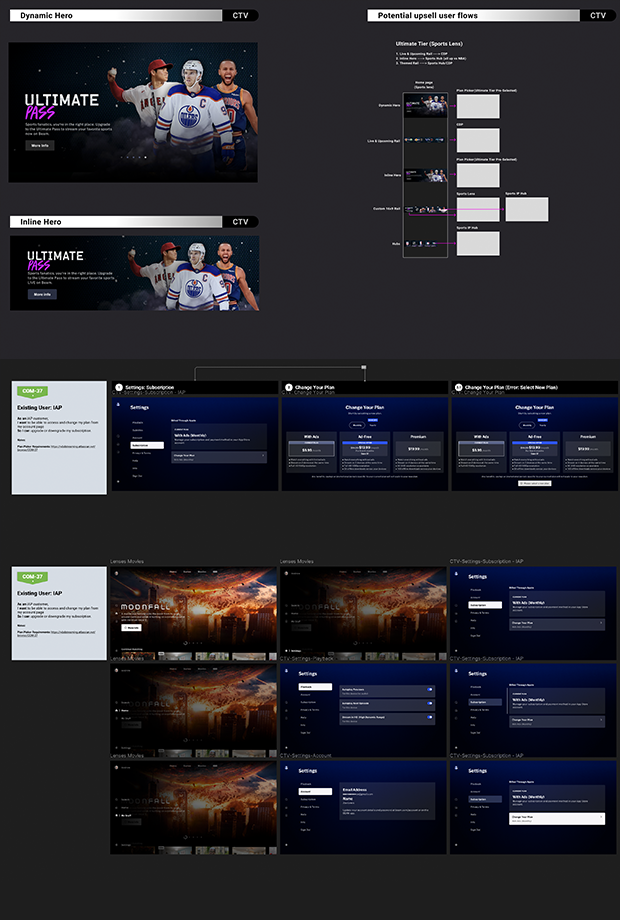
Connected sports intent to subscription, plan-change and pay-per-view checkout journeys.
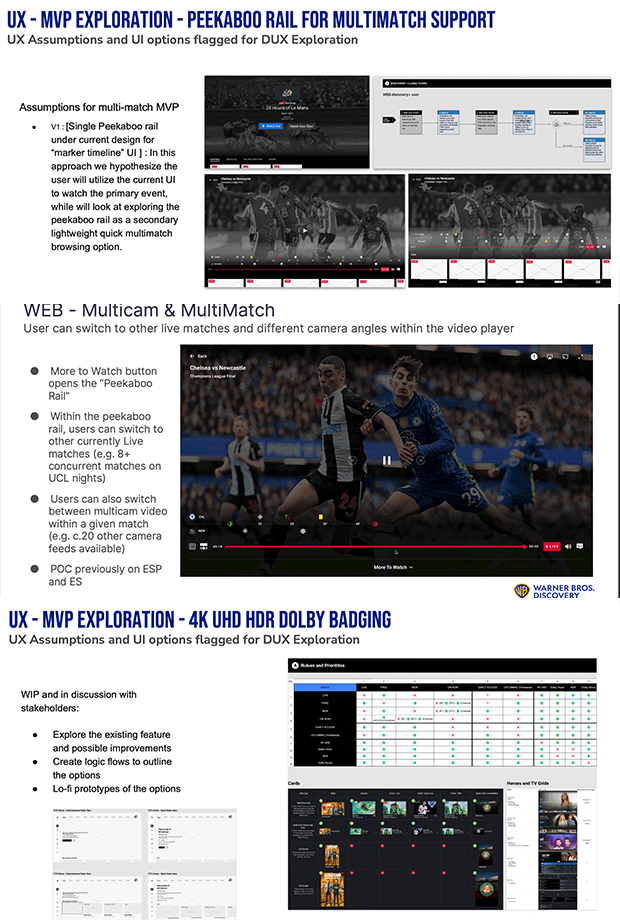
Explored lightweight ways to move between concurrent games and camera feeds within the player.
The commercial experience made access requirements visible at the moment they mattered. Event detail states supported immediate viewing, stream choice or pay-per-view purchase, while confirmation closed the loop with a clear record of access.
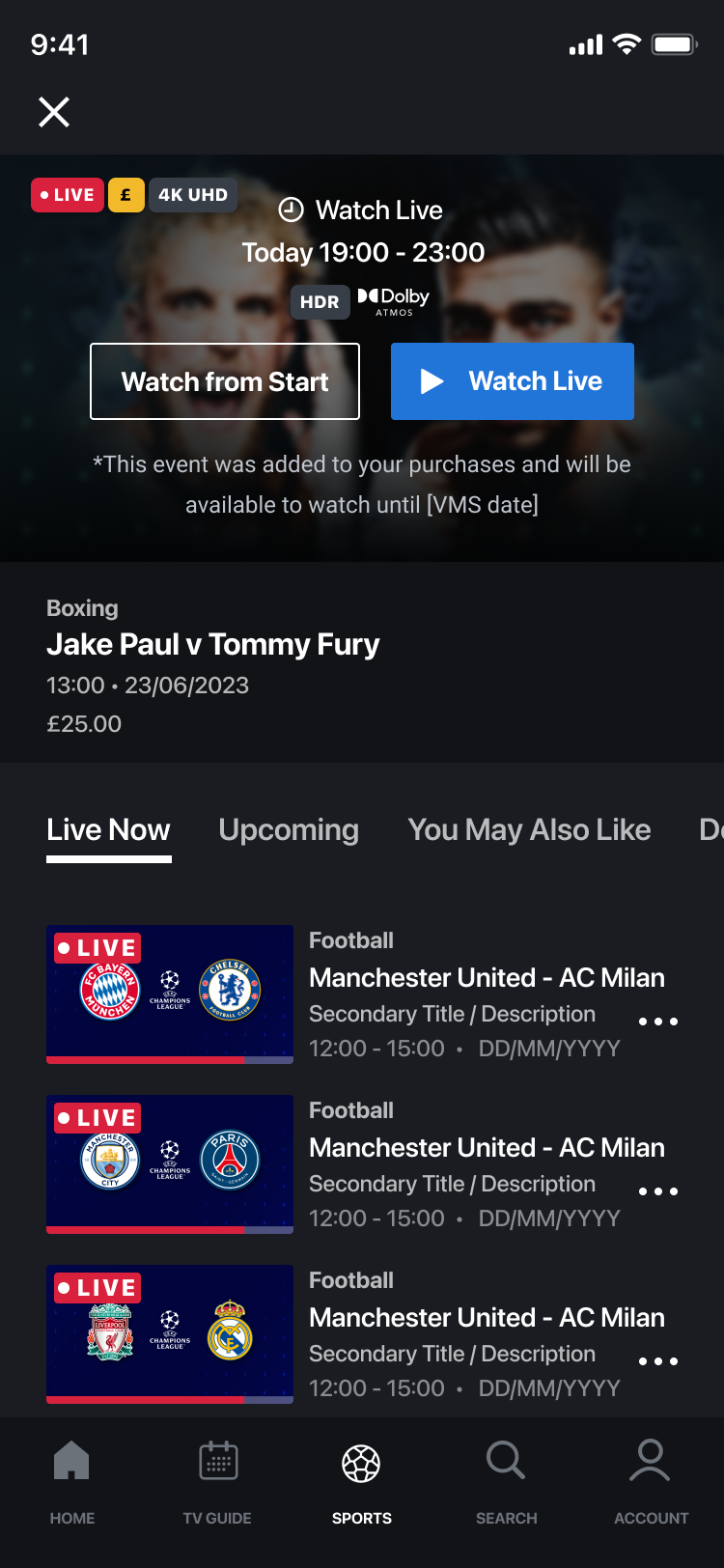
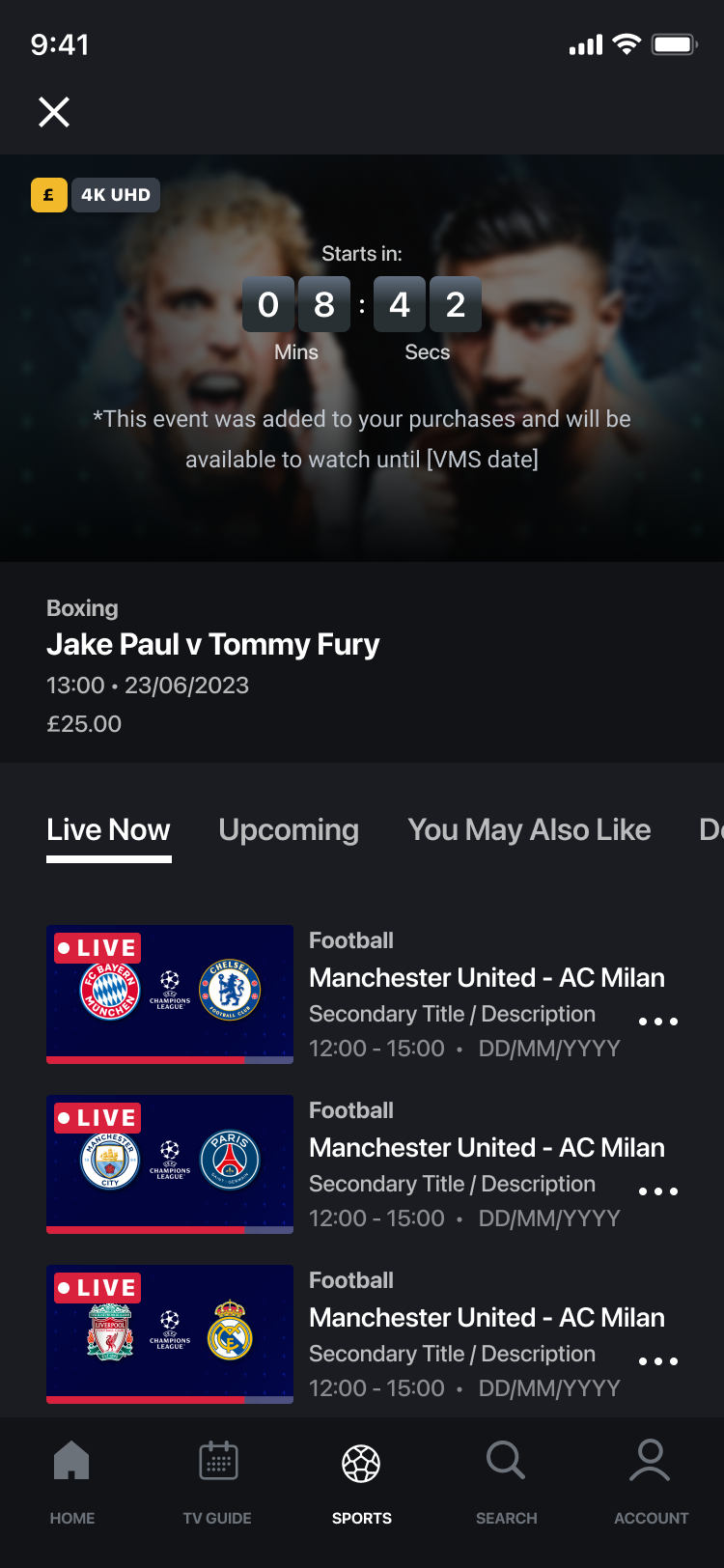
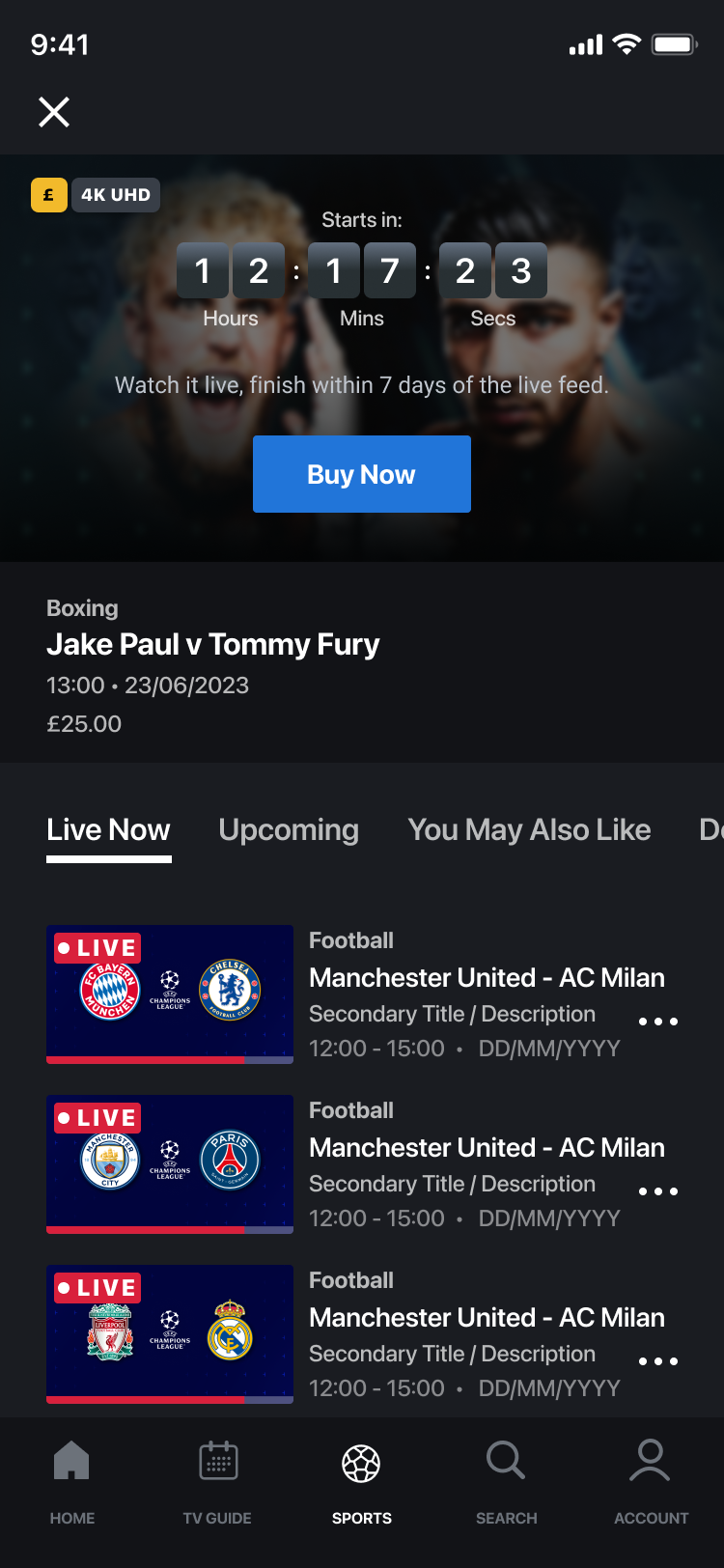
Event-detail and My List patterns helped viewers plan around future fixtures, return to saved sport and recognise their access status. Purchase confirmation reinforced trust after checkout.
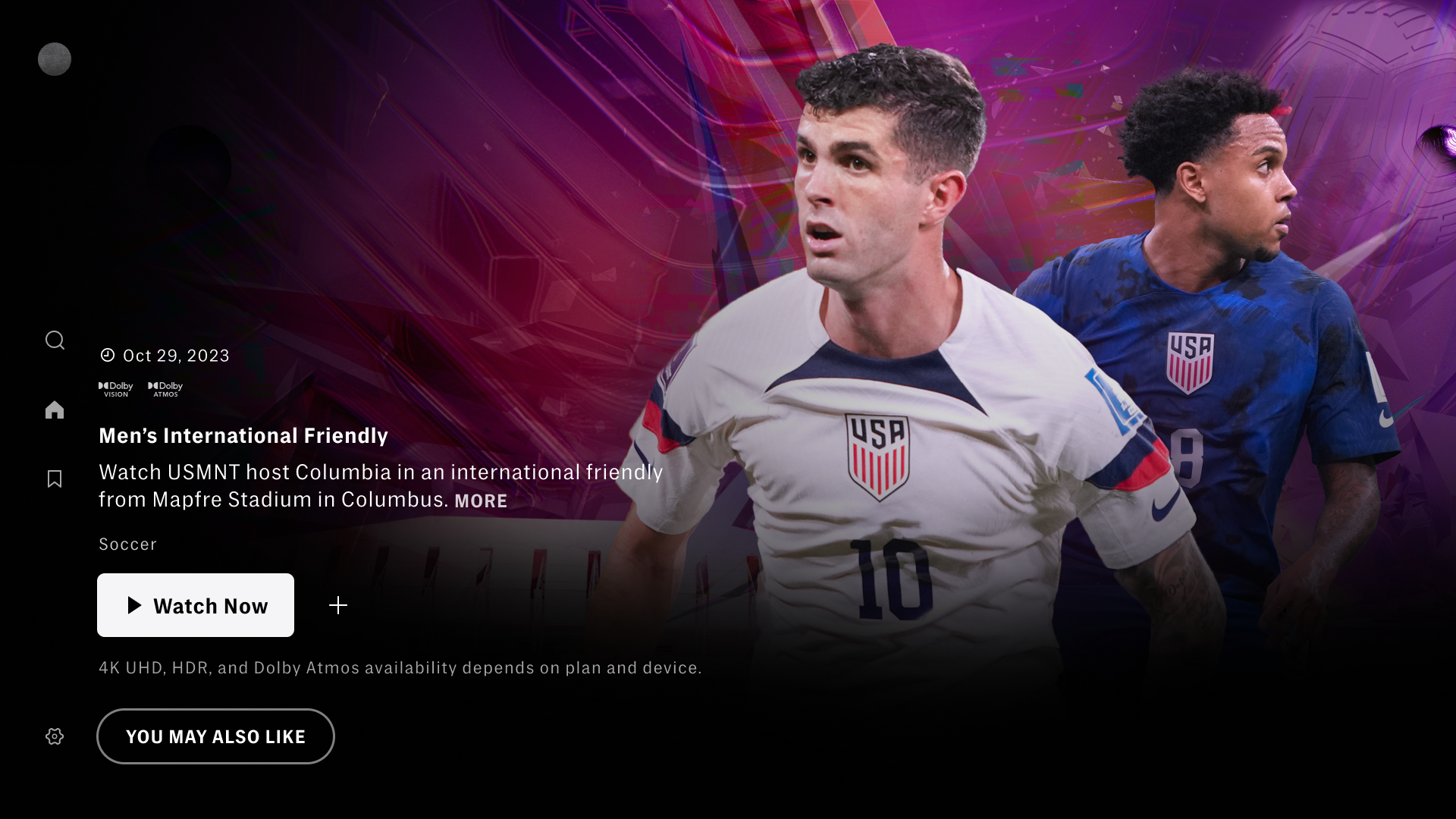
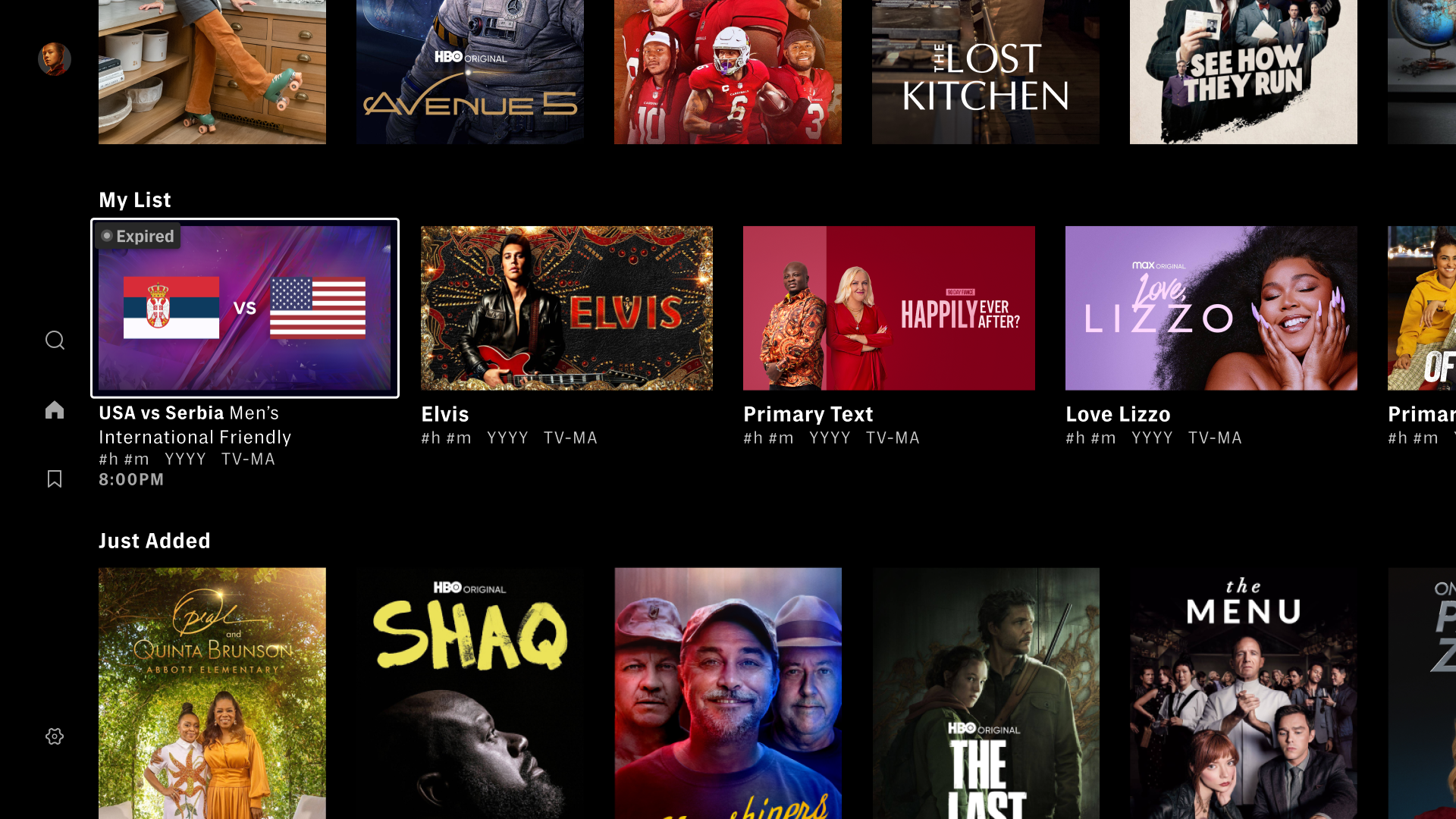
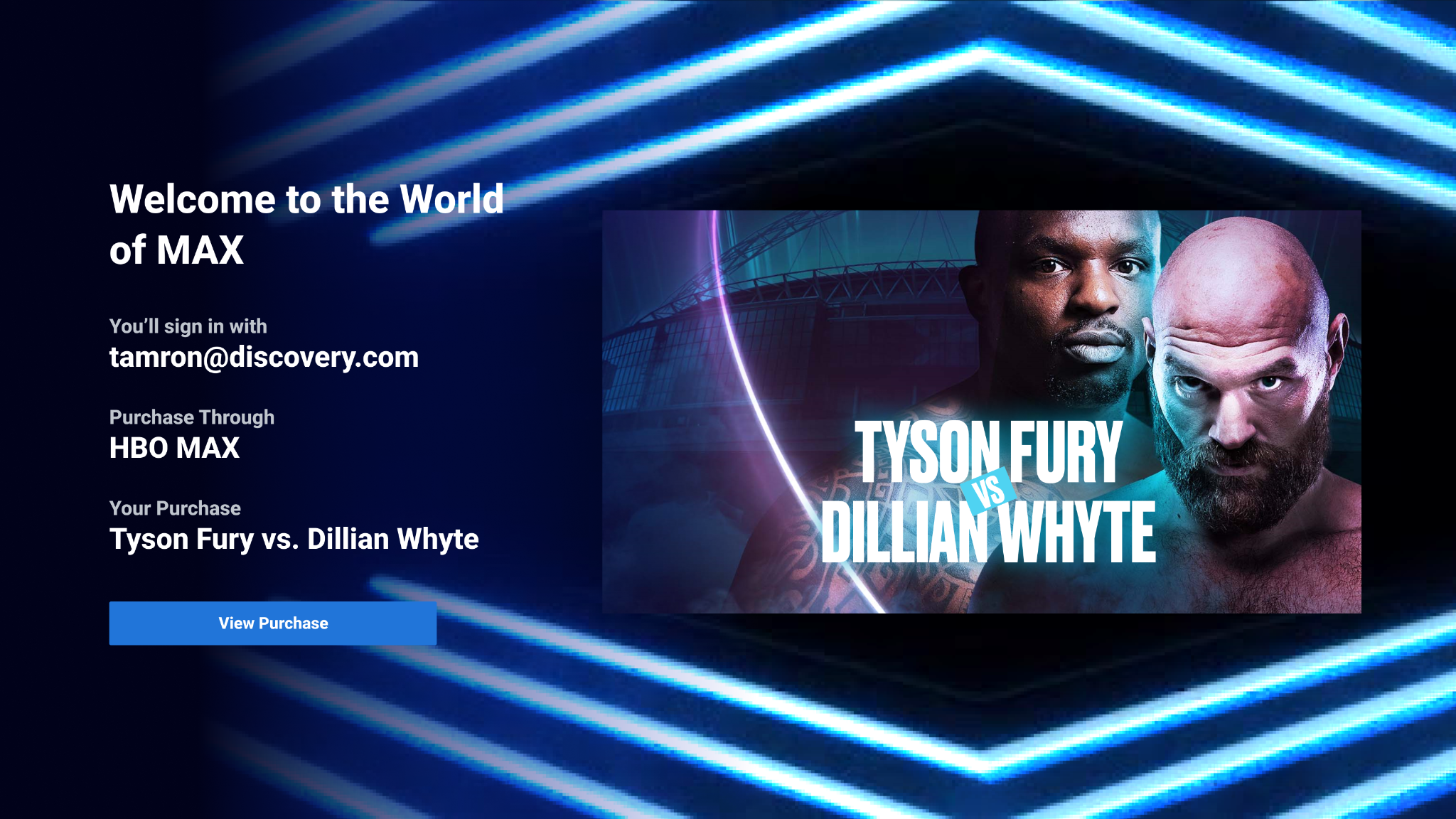
My contribution was both strategic and hands-on: creating a shared product model, guiding designers through critique, and helping product, research, content and engineering make decisions against the same user and commercial outcomes.
Turned research and requirements into a clear sports vision, priorities and end-to-end product logic.
Used workshops, journey maps, prototypes and reviews to resolve ambiguity across product, content and engineering.
Stayed close to interaction and visual detail while coaching designers and protecting consistency across platforms.
The work established a coherent foundation for sports discovery, live viewing and monetisation while demonstrating how evidence-led design could support both audience value and revenue.
Commercial impact is described qualitatively because exact performance figures are confidential.
 UX/UI Design Manager • Streaming platforms • HBO Max / discovery+
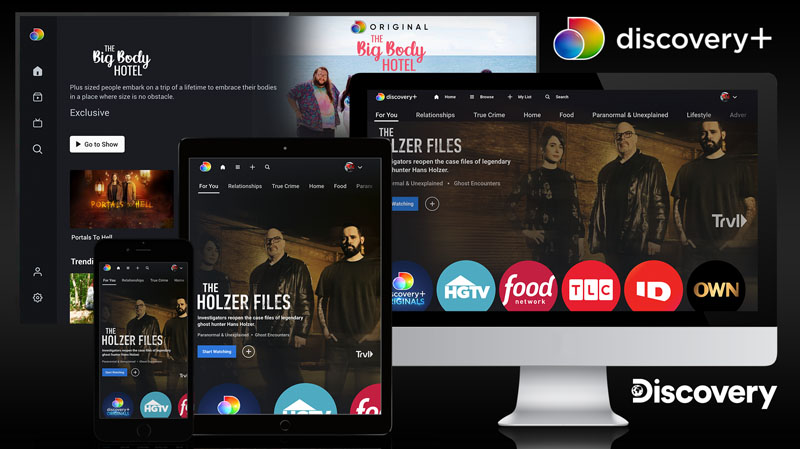
At Warner Bros. Discovery, I led UX/UI design across high-profile streaming products and digital experiences, including HBO Max and discovery+. My role combined team leadership, product thinking and hands-on design direction across complex, fast-moving platforms serving large and diverse audiences. Working across multiple brands, stakeholders and delivery teams, I helped shape user experiences that balanced customer needs, business priorities and technical constraints. A core part of my focus was building stronger design processes, improving collaboration across disciplines and raising the quality and consistency of work across the portfolio.
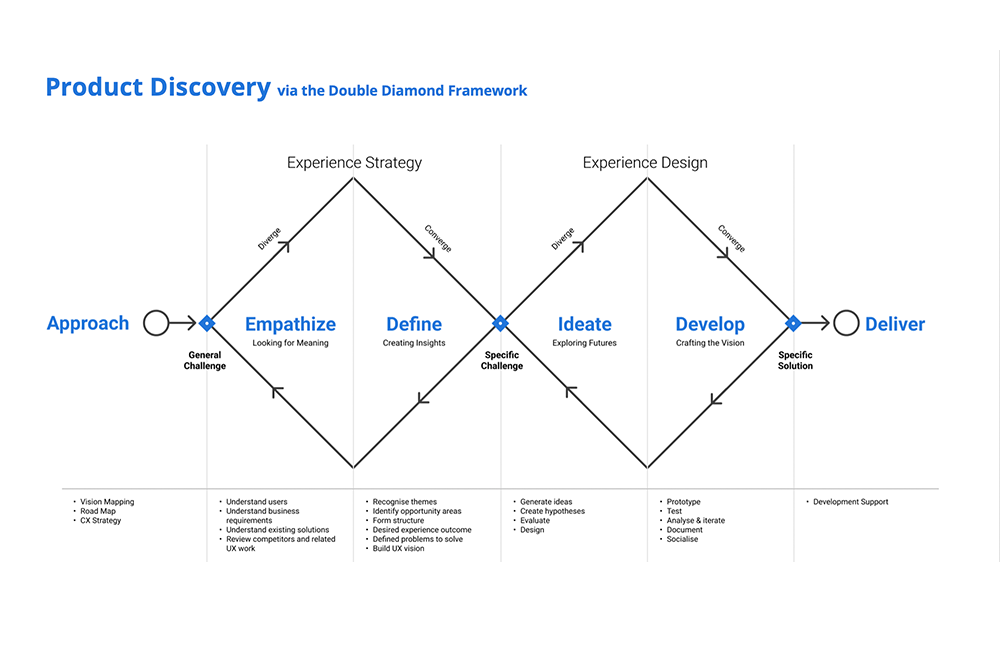
Selected examples across enterprise platforms, streaming experiences, UX strategy and digital transformation.