The challenge
Support ownership, user records, regional administration, compliance and licence use had to operate consistently across a large, distributed organisation.
Redesigning support operations, governance and licence management for a globally distributed creative platform—while making service performance visible and accountable.
I own the organisational setup and management required to support Adobe Creative Cloud globally: end-user and administrator support, communications, ticketing, licence efficiency, software updates and crisis response.
The remit connects an internal team, regional admin network, procurement, cybersecurity and Adobe Elite Support while maintaining service, third-party, lifecycle, secure-development and AI-risk controls.
Internal operational figures are intentionally rounded. Team sizes exclude me.
Support ownership, user records, regional administration, compliance and licence use had to operate consistently across a large, distributed organisation.
I clarified ownership, redesigned intake and escalation paths, automated directory hygiene and established recurring reporting, office hours and knowledge exchange.
Monthly demand and escalations fell while licence allocation efficiency improved—without reducing the service's global reach or compliance responsibilities.
Two software SMEs and three business analysts responsible for the core product operation.
Three contributors coordinated through the wider delivery structure.
Two customer success managers and three Elite Support engineers engaged through outsourced specialist projects.
Approximately 20 global system admins and 100 specialist sub-admins supported through shared standards and reporting.
I designed the support structure around defined ownership, ServiceNow visibility and escalation thresholds. Common needs are resolved close to users; complex issues move through the admin network and core team to Adobe specialists.
Procurement and cybersecurity remain embedded partners so licence decisions and product change stay aligned with commercial, security and compliance requirements.
A consistent route for end-user and administrator support.
Controls for software updates, third parties, security and AI-related risk.
A monthly cadence connecting service metrics to operational action.
Governed as a product service. SLAs, third-party risk management, software lifecycle, secure development and AI-risk requirements are built into the operation rather than treated as end-stage checks.
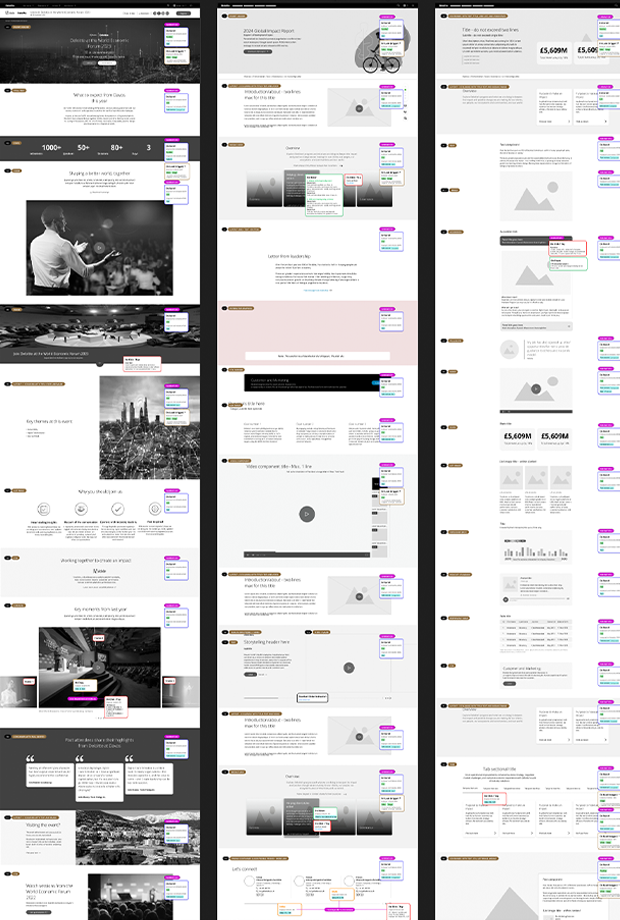
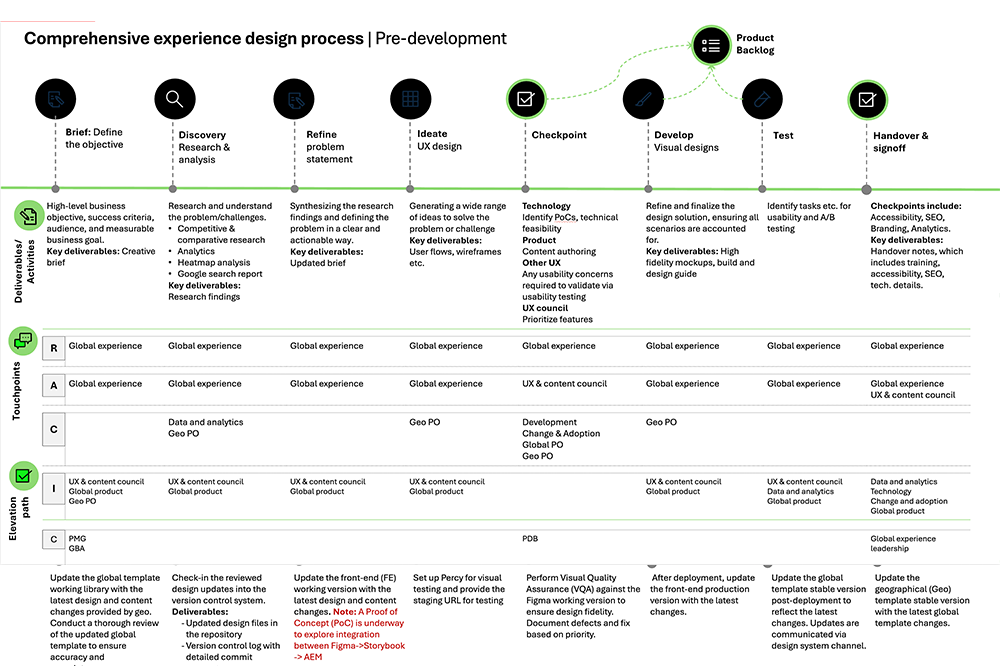
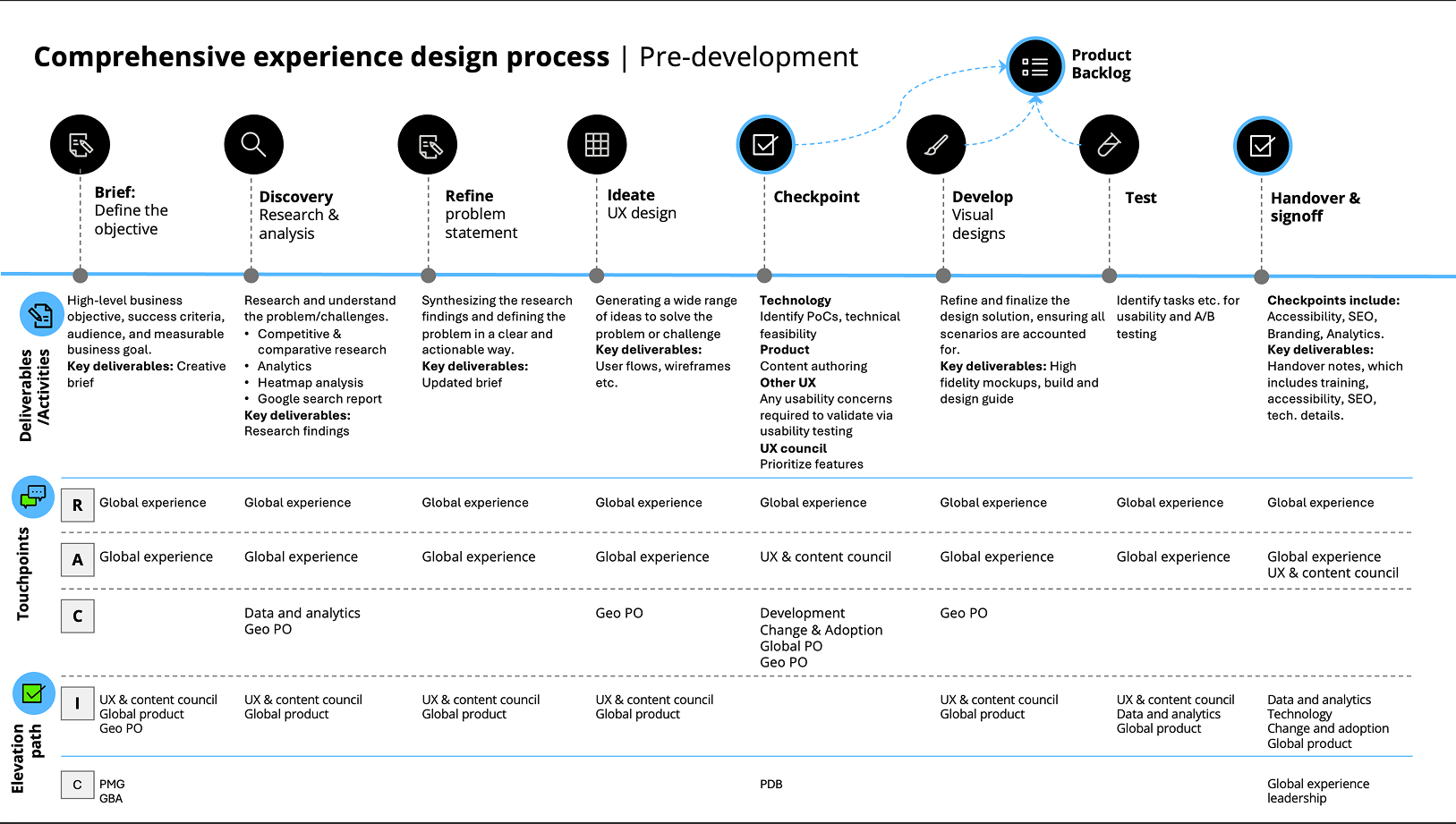
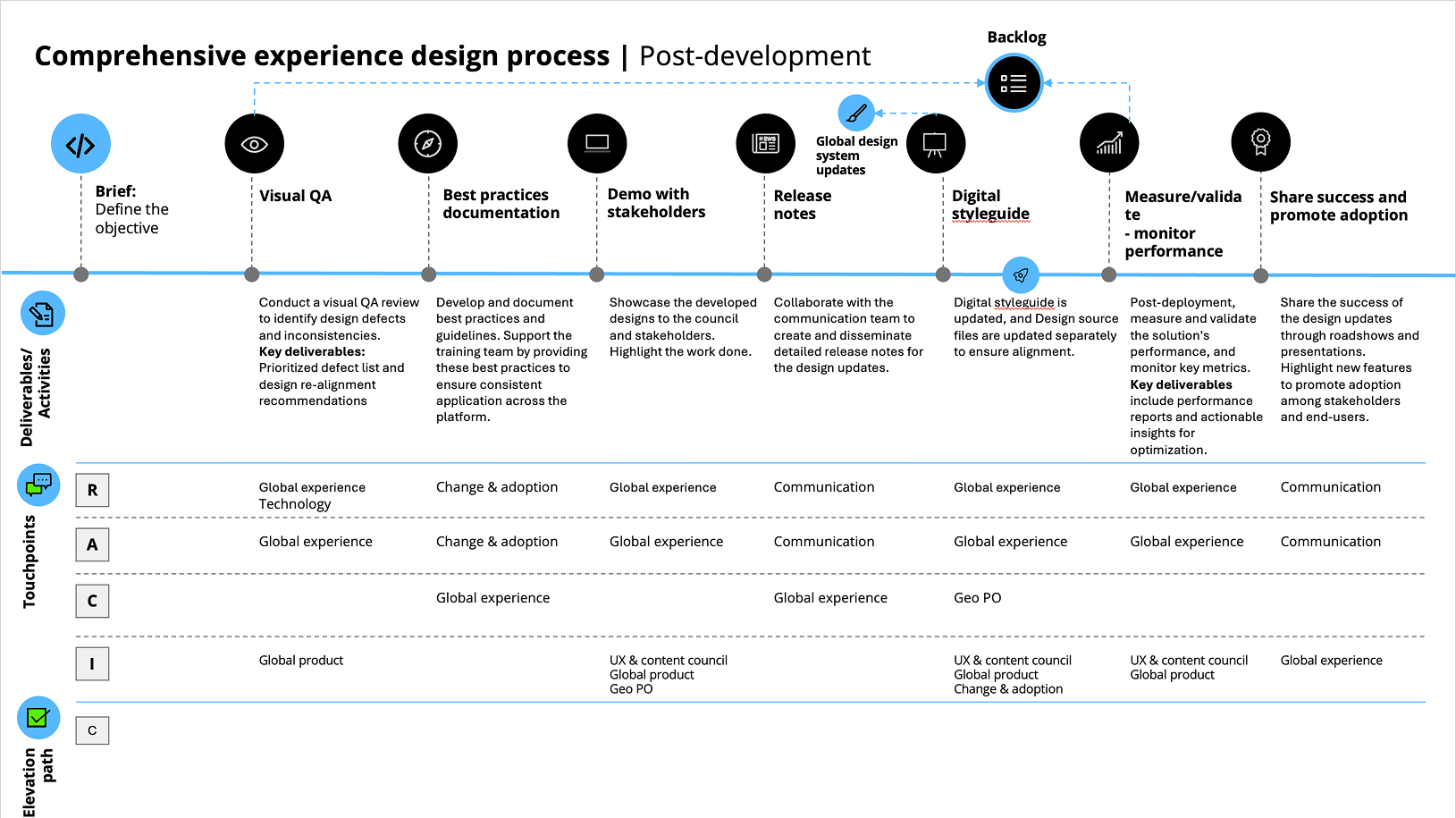
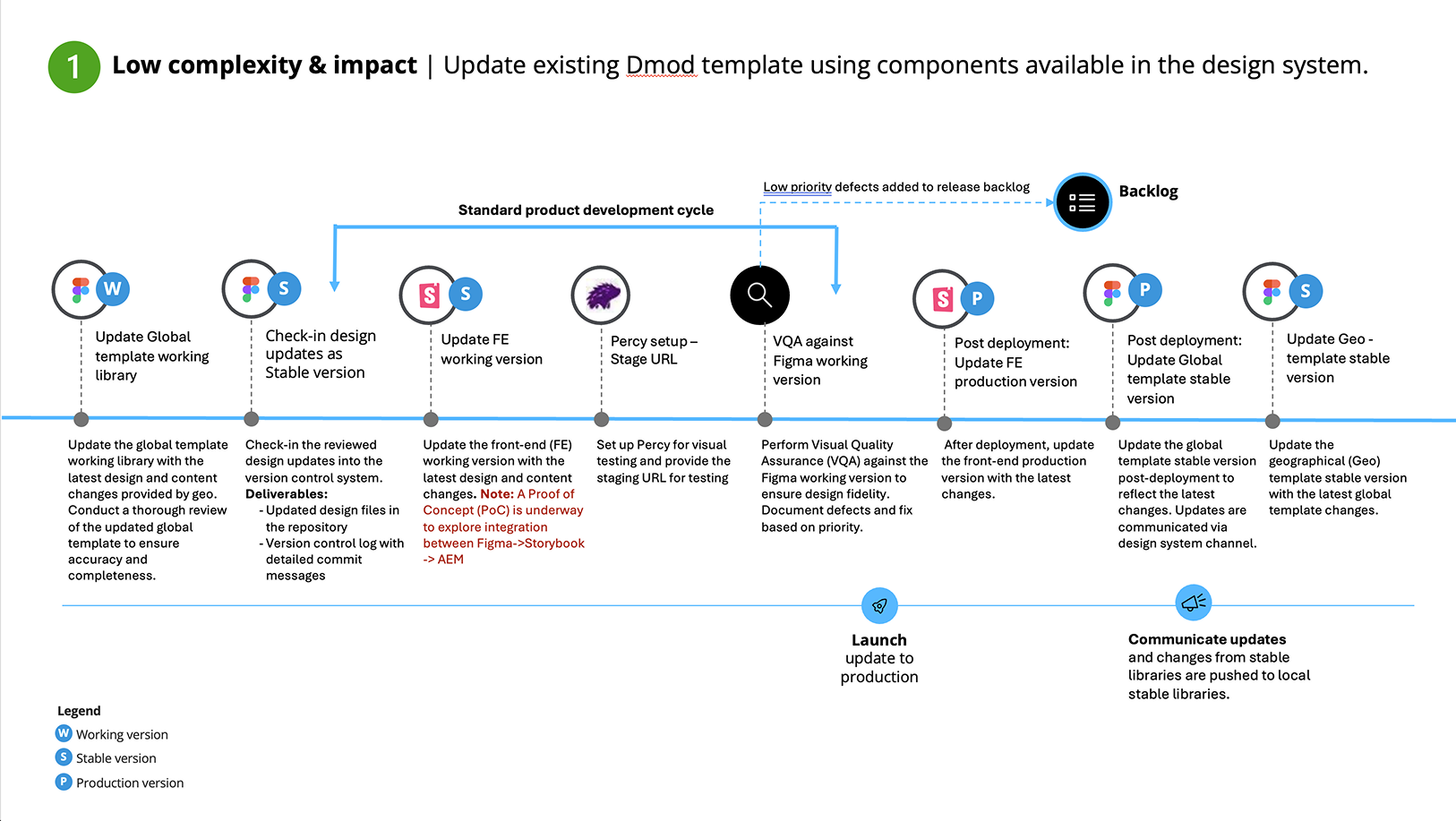
The detailed process artefacts made ownership, governance and decision points explicit across comprehensive delivery, faster updates, BAU work, collaboration and optimisation.
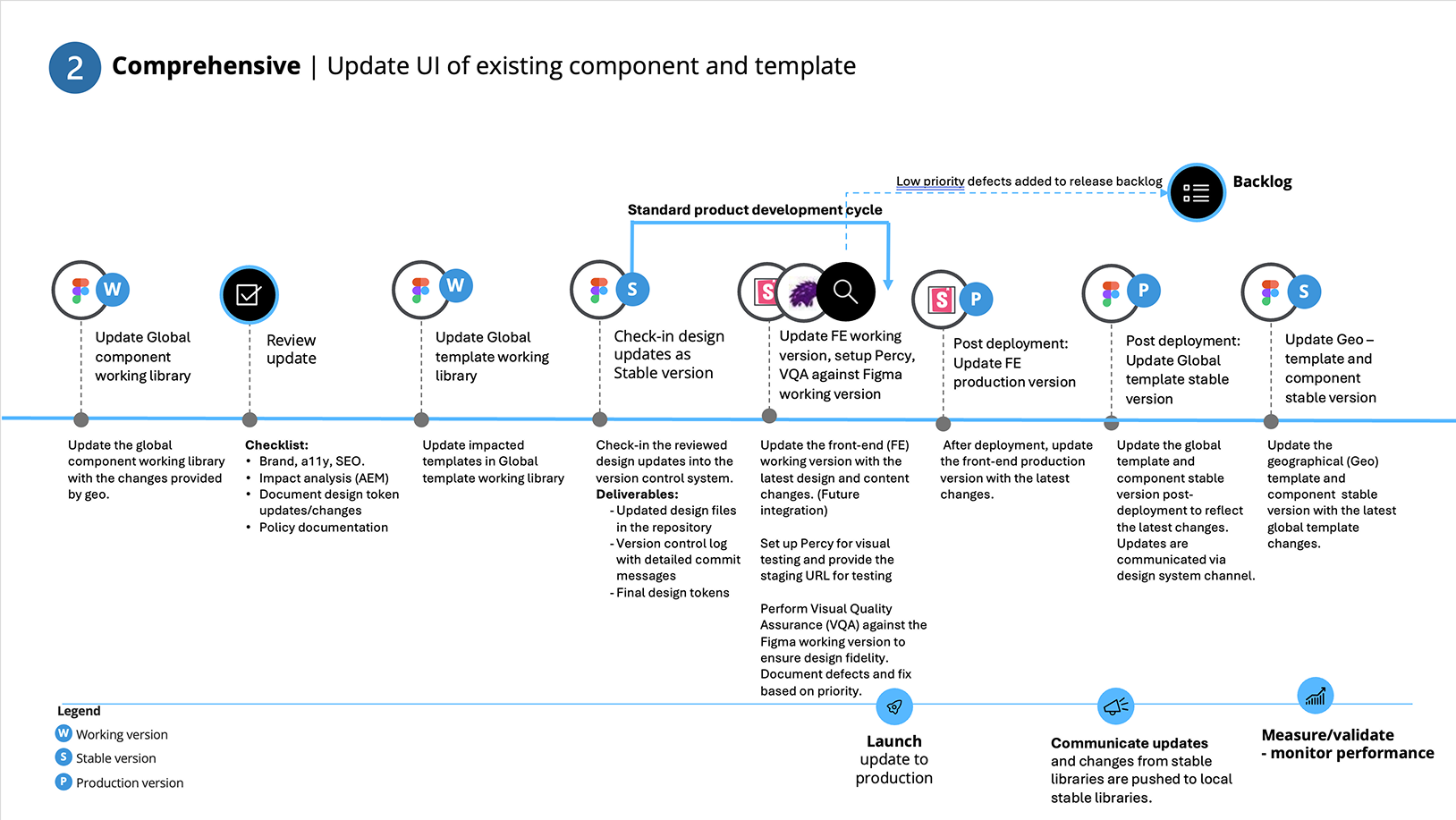
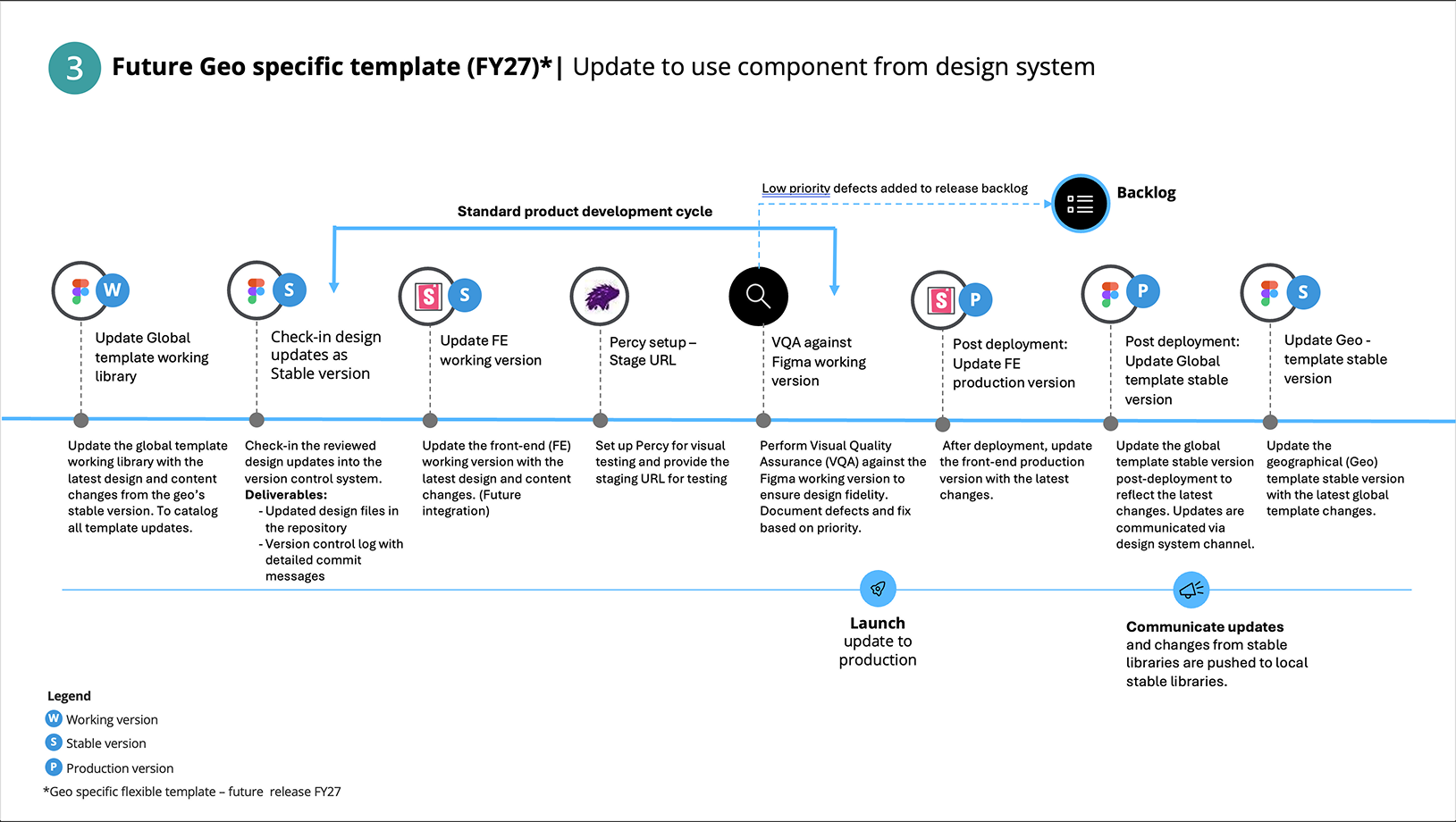
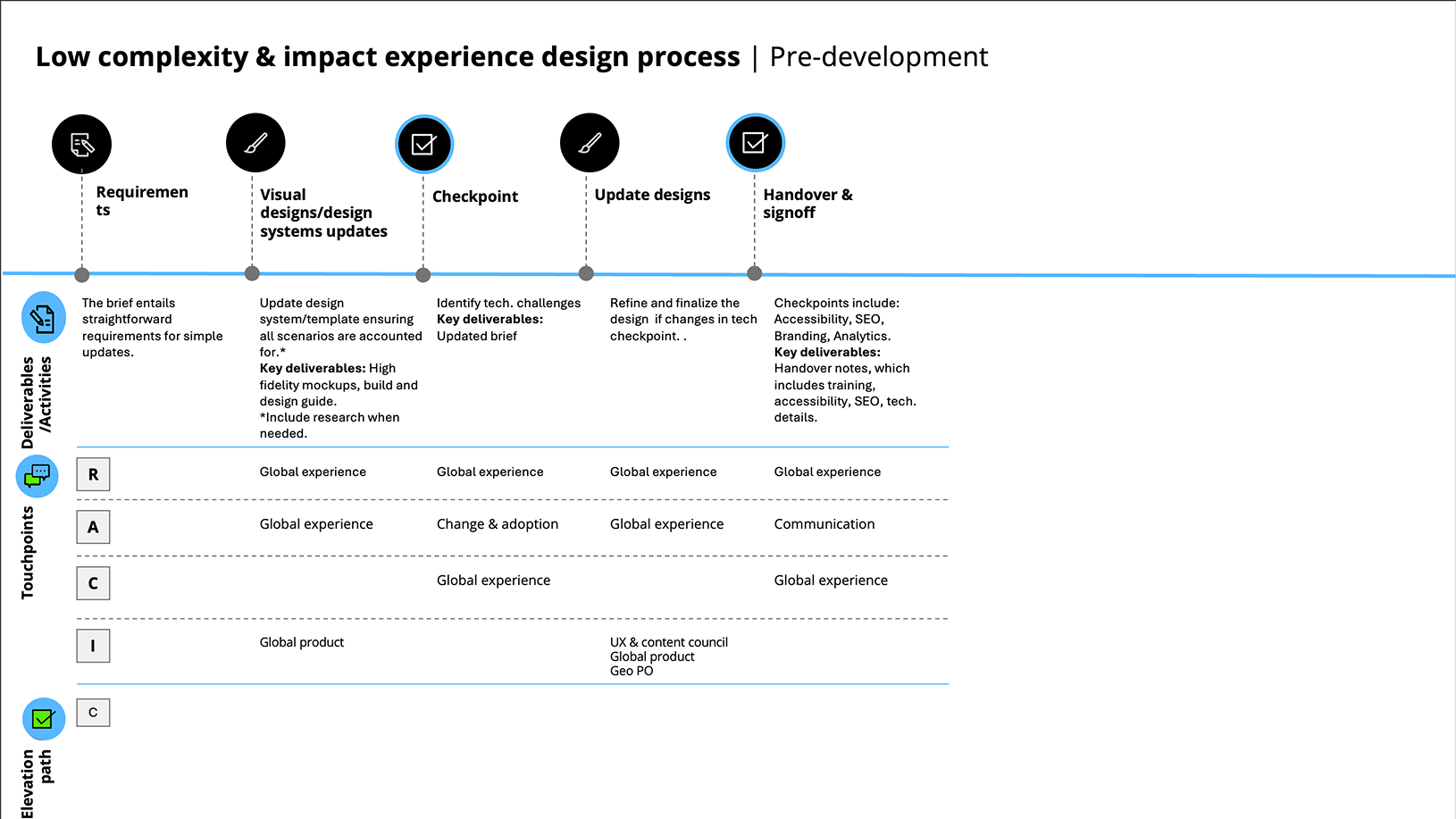
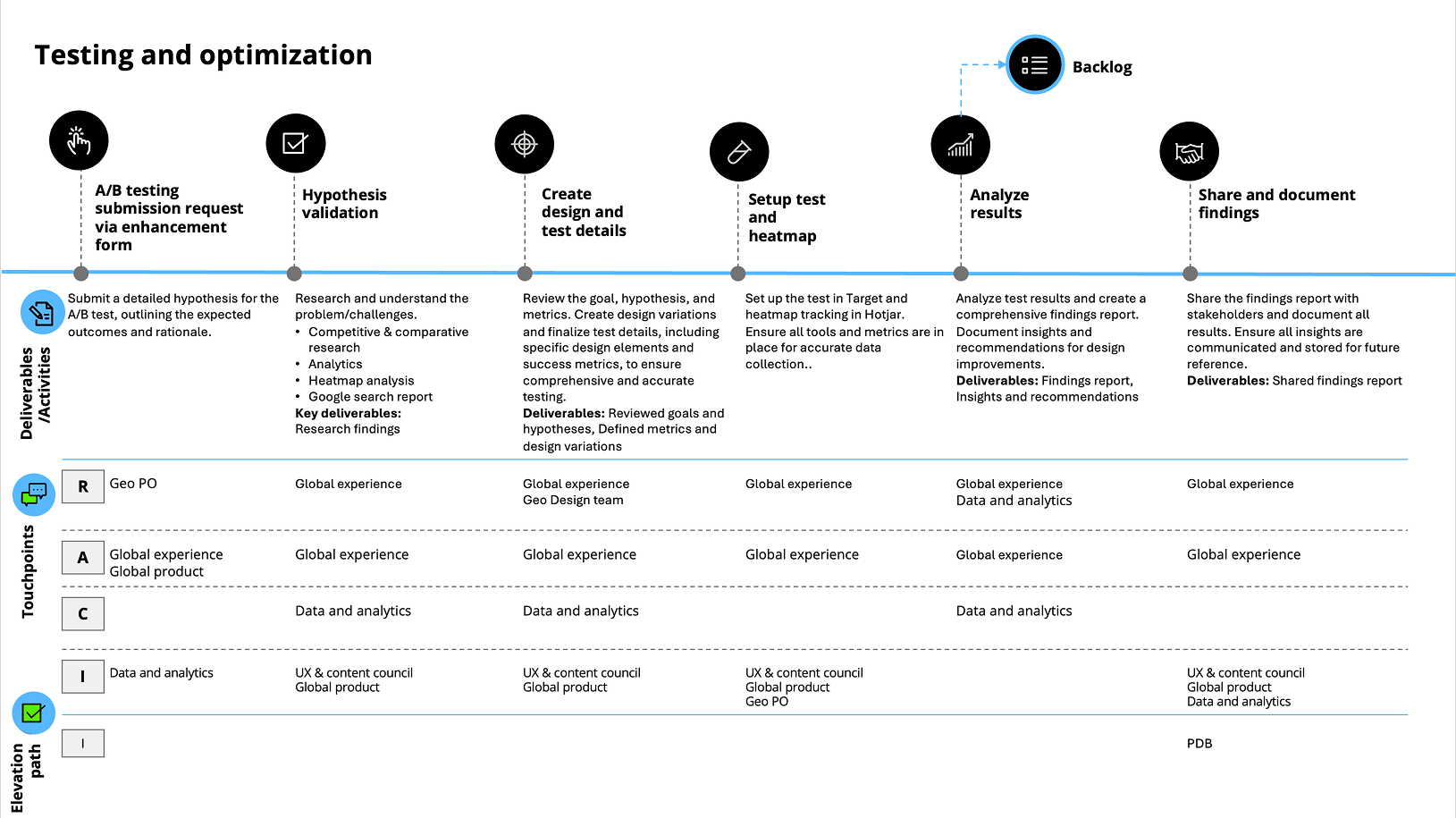
The programme combined automation, service design and community enablement. Each initiative targeted a recurring source of friction: poor data hygiene, unclear ownership, weak visibility or unnecessary escalation.
The aim was not to make the support team process more tickets. It was to help users and admins resolve more needs earlier, with cleaner information and clearer responsibility.
User-sync tools and record optimisation improved data hygiene, allocation decisions and the reliability of the service.
Named resources, monthly ServiceNow reporting and a consistent support structure improved ownership across regions.
Office hours, FAQs, knowledge records, community updates, news and alerts expanded self-service and knowledge exchange.
Structured maintenance, software-update and incident communications for users and administrators.
Reduced unused and duplicate application allocation while preserving access for genuine need.
Aligned product operations with SLA, third-party, lifecycle, secure-development and AI-risk requirements.
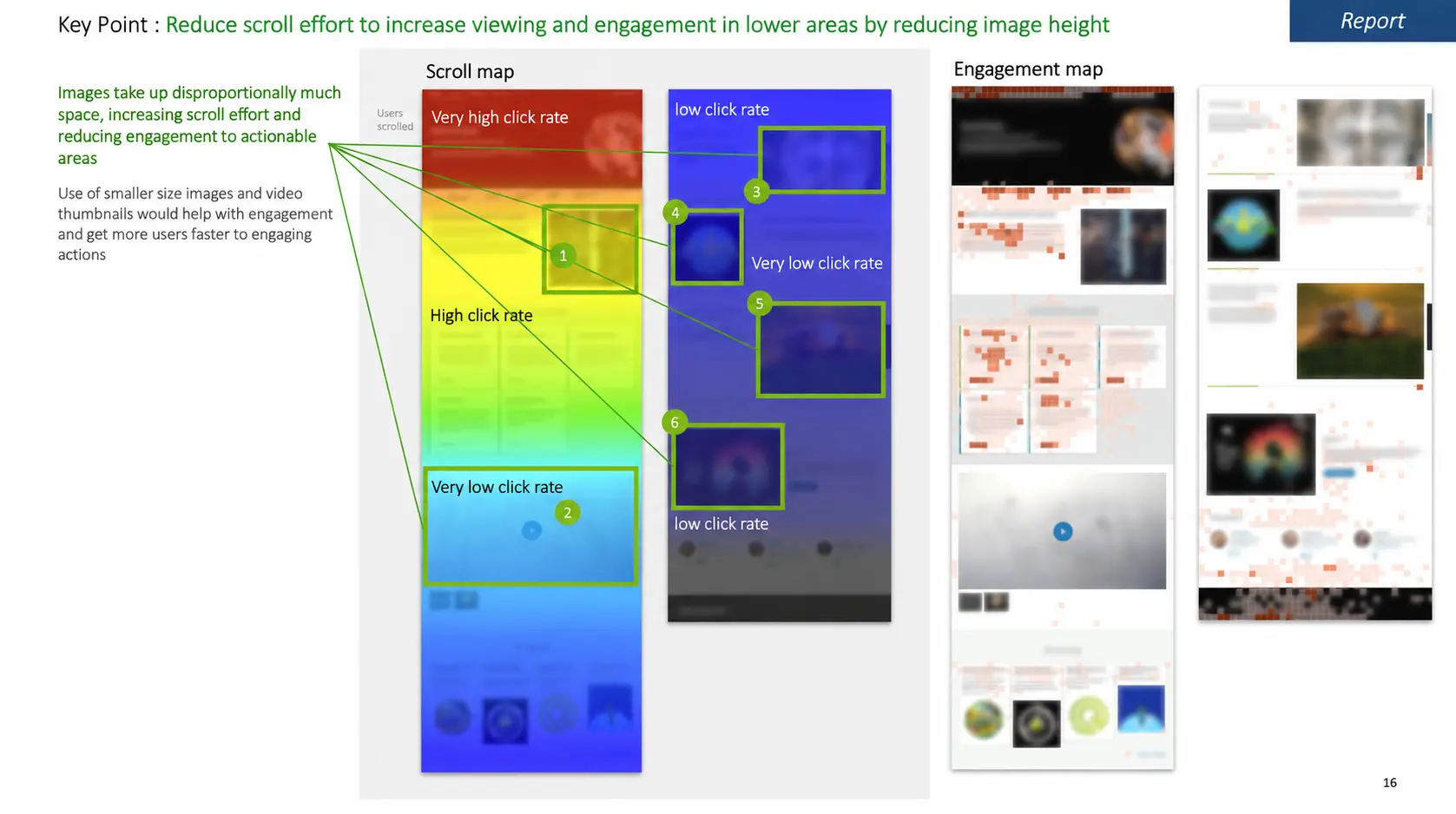
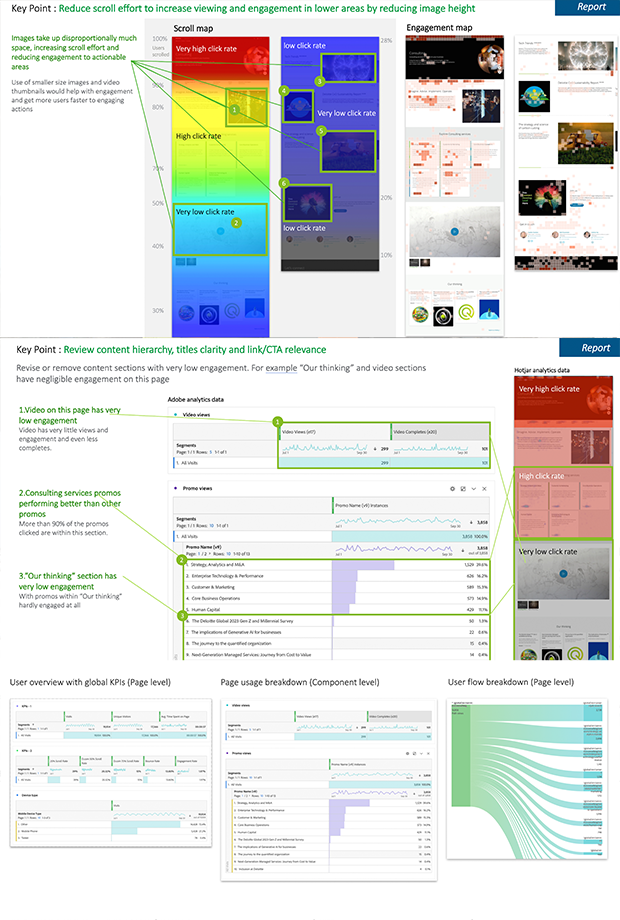
I established visibility across speed, resolution quality, demand and escalation. The purpose of measurement is operational: expose bottlenecks, identify repeat causes and decide where automation, knowledge or specialist intervention will have the greatest effect.
Monthly reporting creates a shared fact base for the core team, regional admins and partners.
How quickly a user receives an initial response.
Average resolution and handling time across service requests.
How often needs are resolved without follow-up or escalation.
Monthly requests and cases requiring specialist support.
Management cadence: ServiceNow reporting, office hours, admin updates and knowledge records connect the measures to specific operational improvements.
Priority content, client impact and service propositions were structured to help visitors understand value faster.
Flexible long-form patterns balanced narrative, evidence, data and calls to action without flattening the story.
Cards, filters and calls to action connected discovery with deeper content, expertise and lead-generation journeys.
Responsive states and reusable behaviours made the visual direction practical across devices and delivery teams.
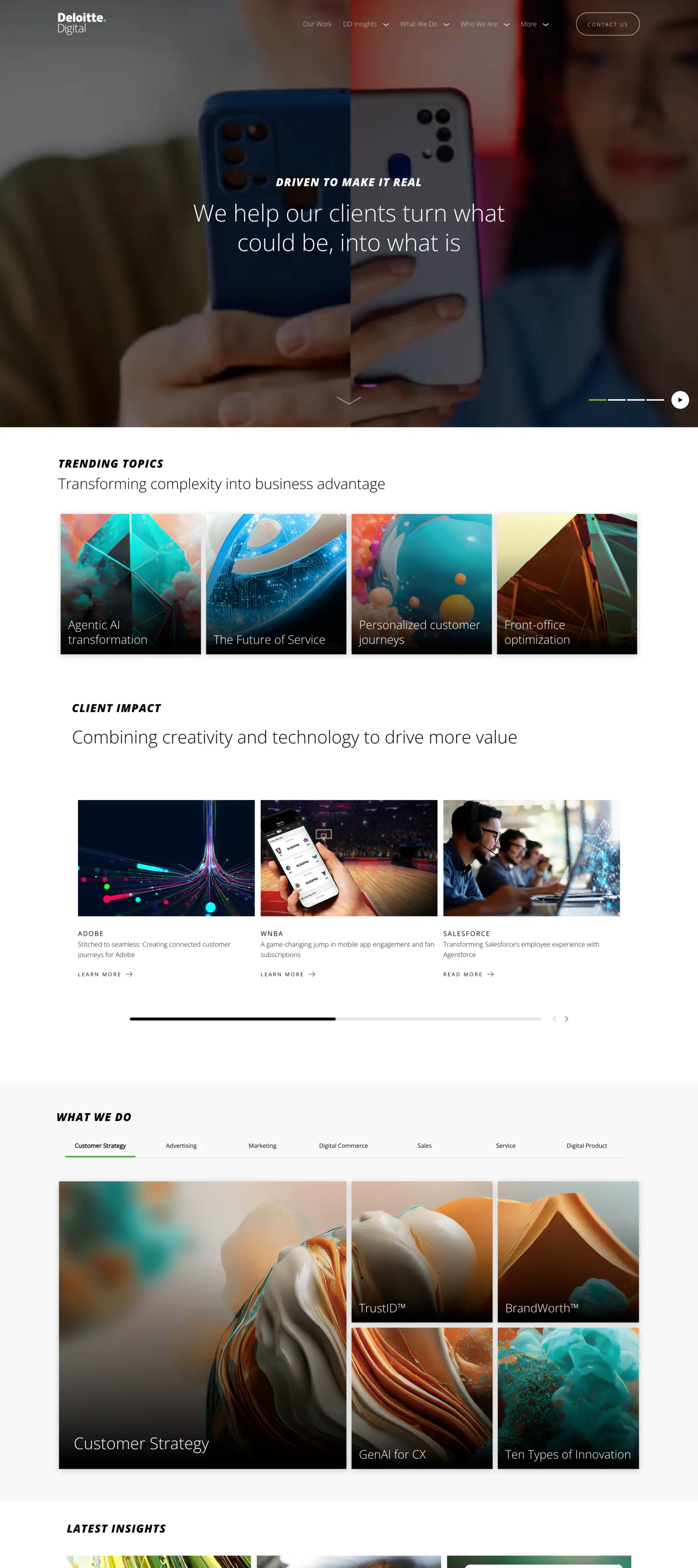
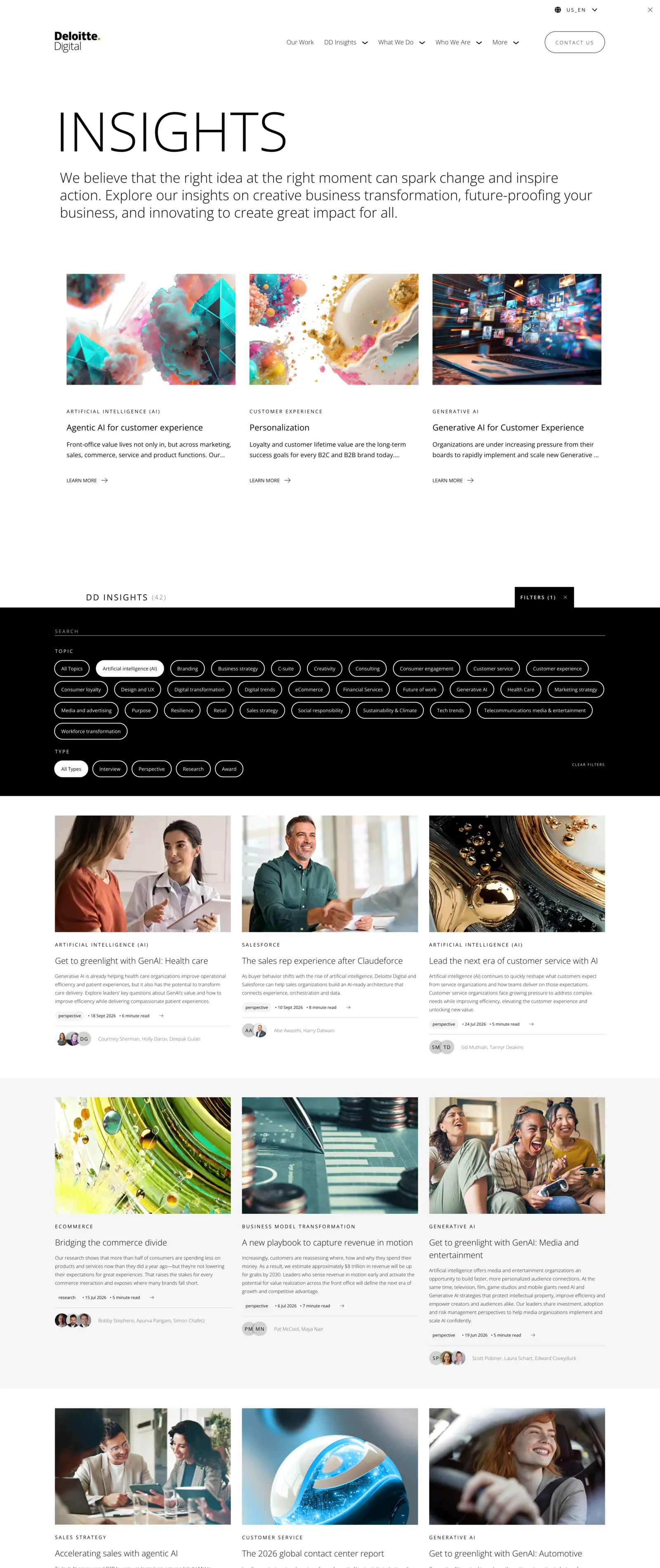
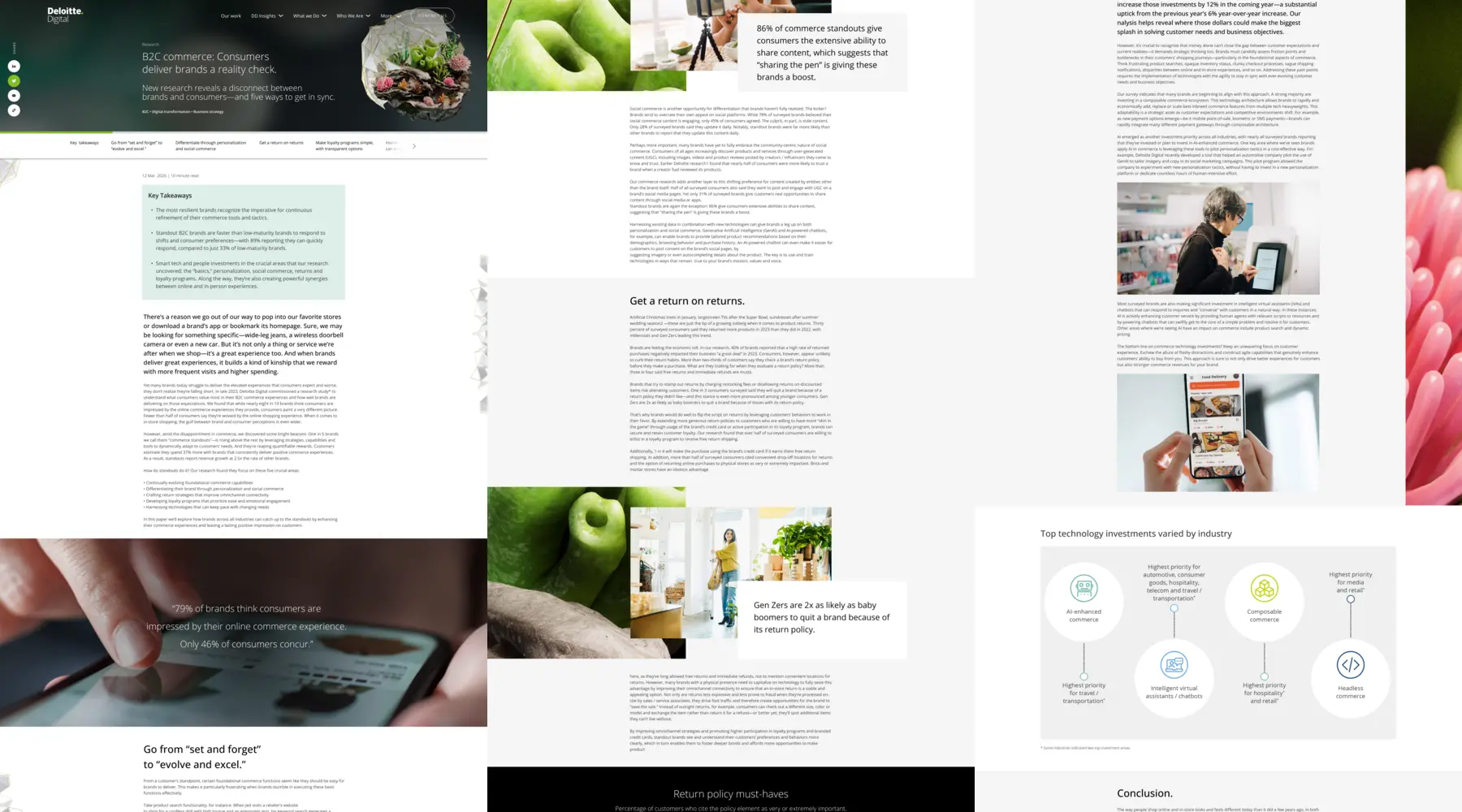
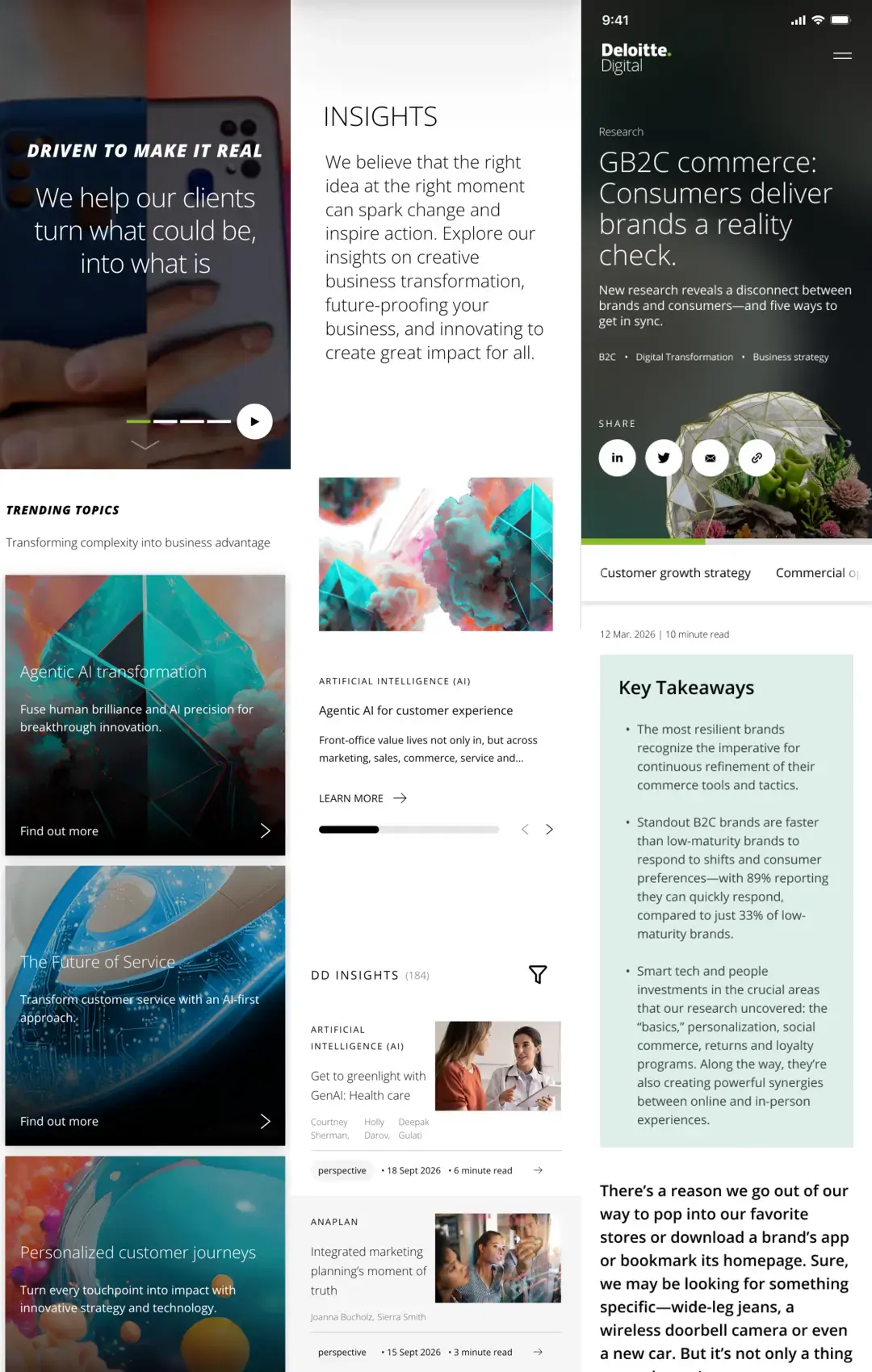
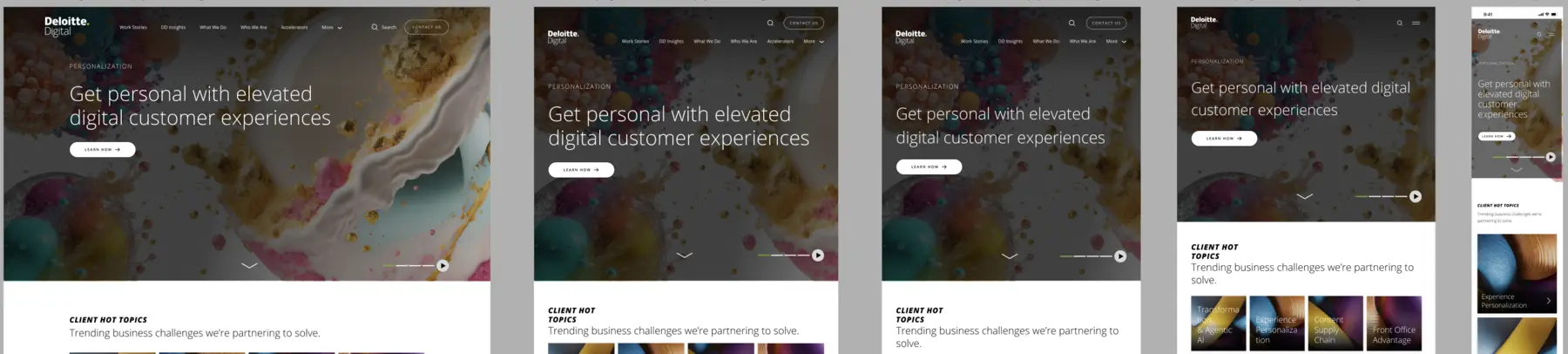
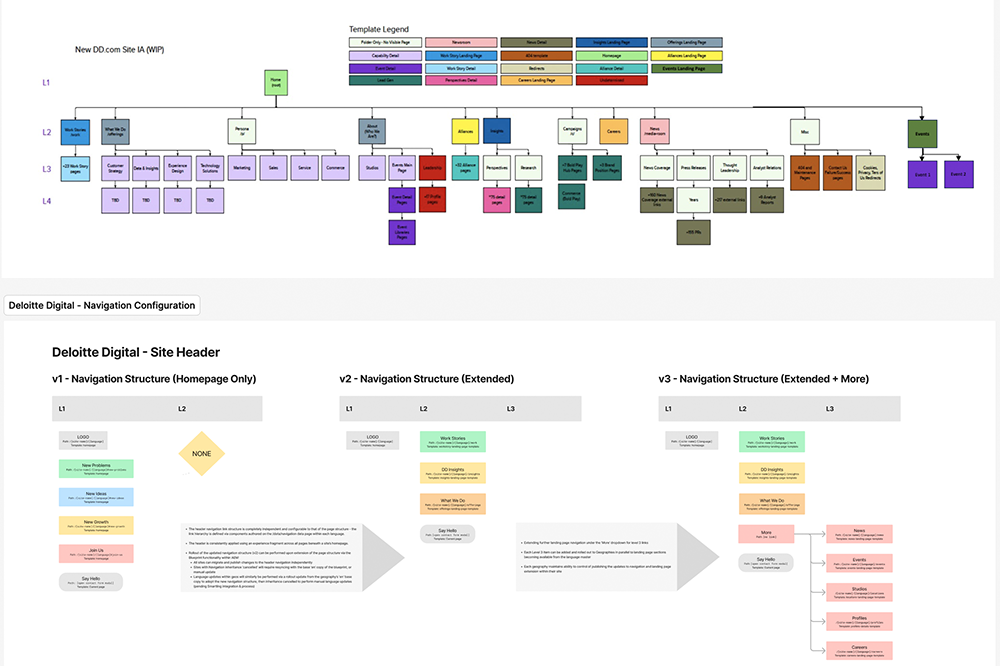
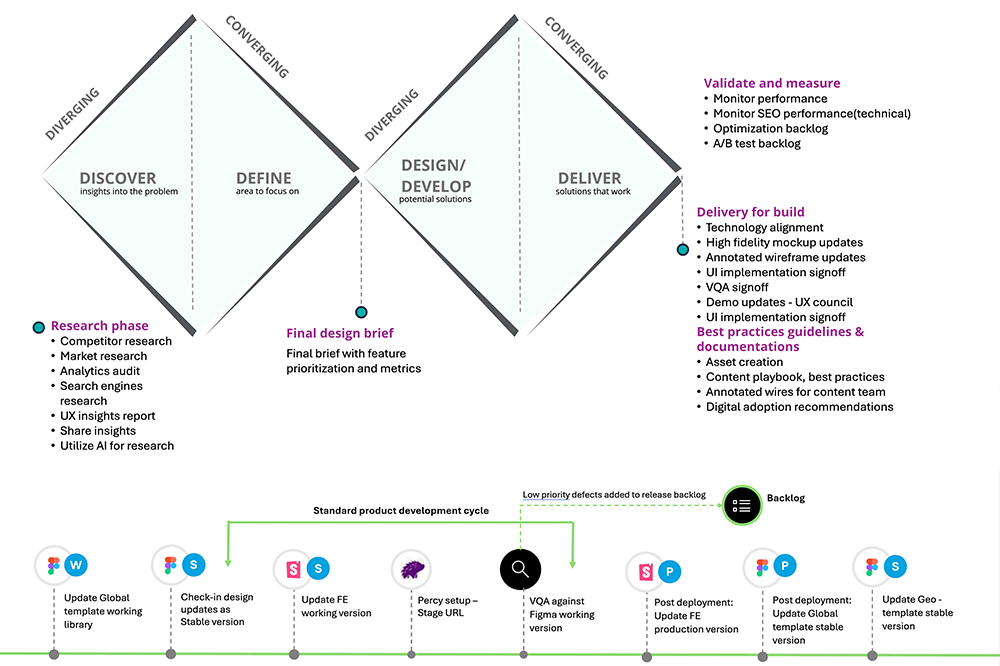
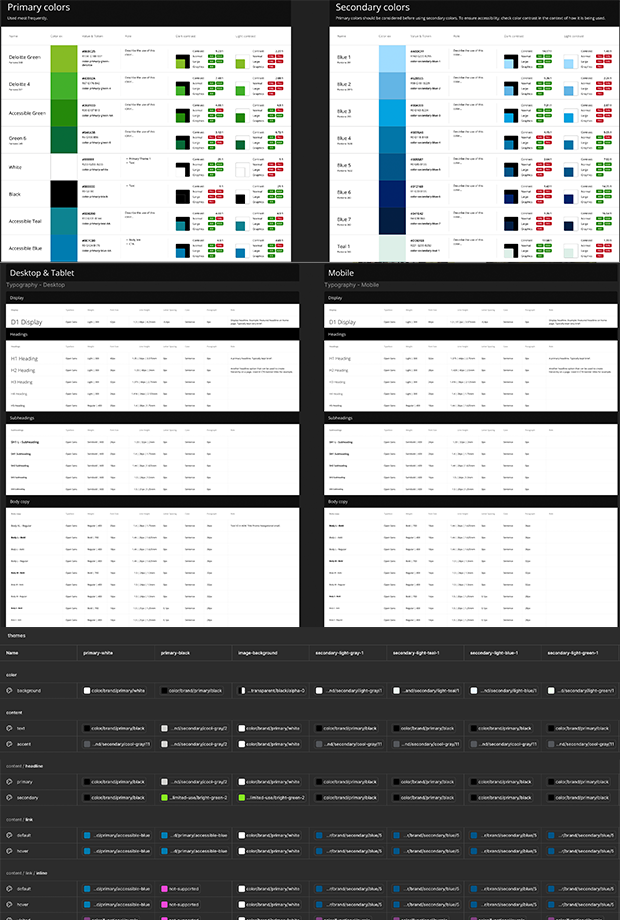
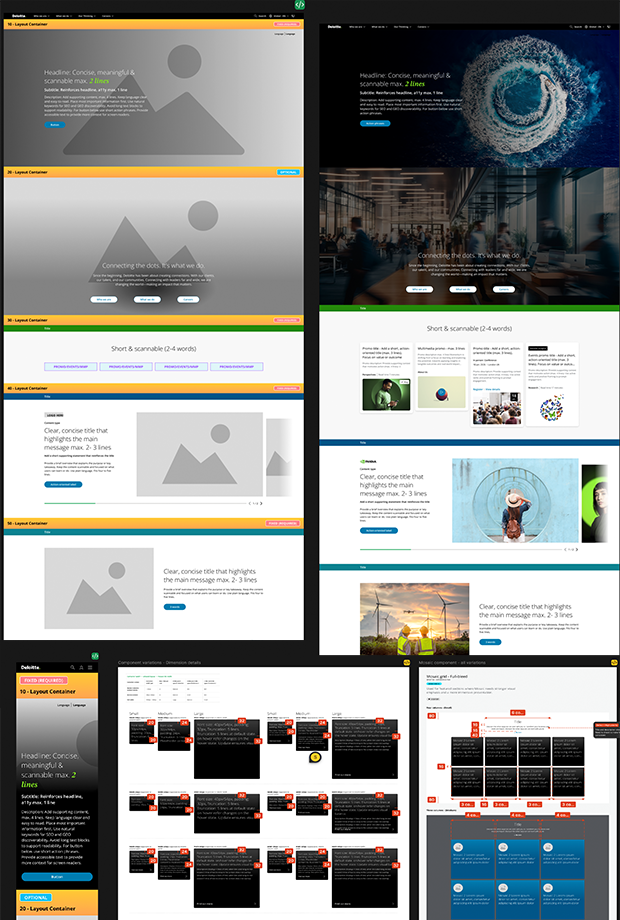
The visual direction was translated into component states, breakpoint behaviour and implementation guidance—helping engineering preserve intent while enabling teams to reuse the patterns efficiently.
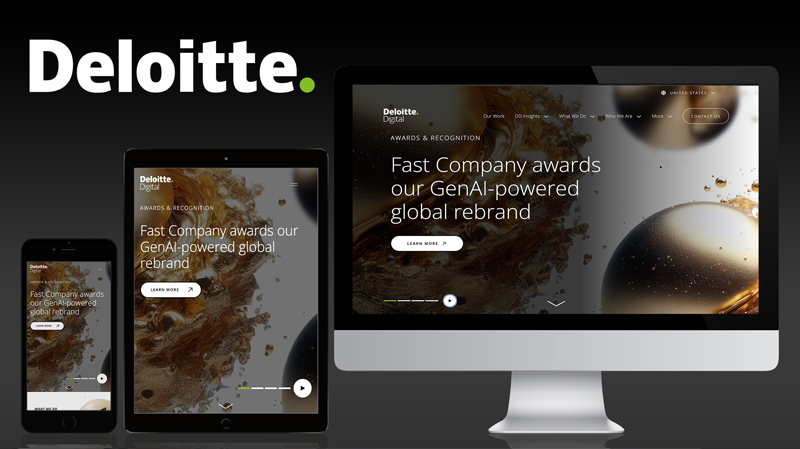
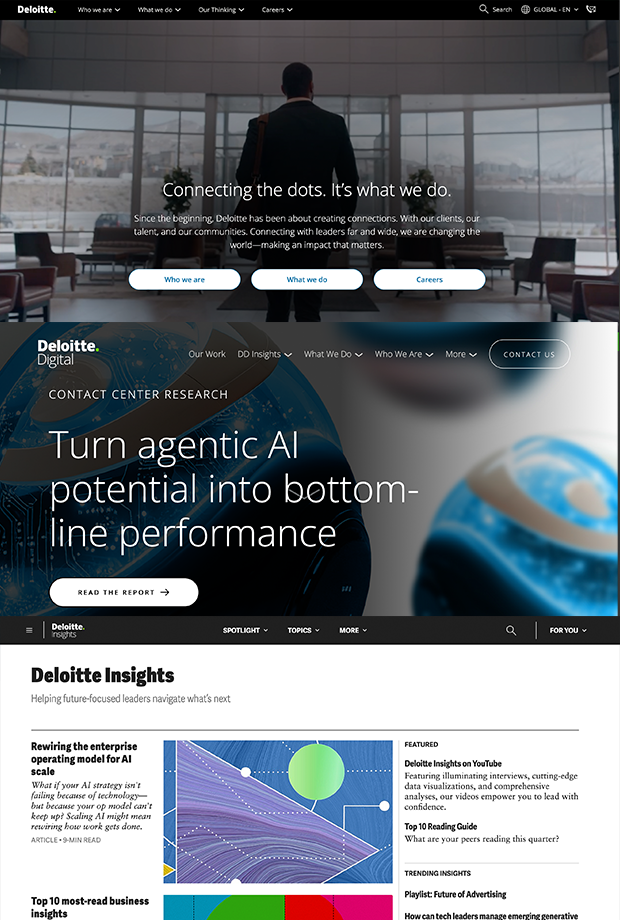
I manage and streamline the design process and global design system for Deloitte.com, connecting a ten-person core team with QA, backend, marketing, analytics, business partners and local design pods.
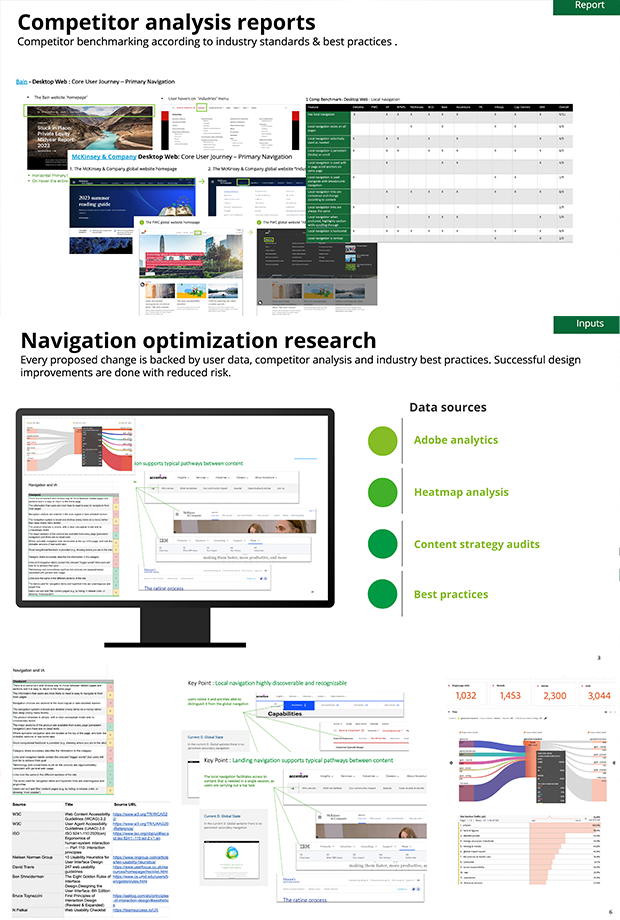
The remit combines live optimisation with the next platform iteration: new information architecture, templates, components, interactions and a brand-led system that member firms can apply consistently.
Growth across contact forms, event participation, subscriptions and registered downloads.
More interaction with relevant content and conversion journeys.
More visitors moving into deeper journeys.
Faster performance on a large global publishing platform.
Core team: two lead product designers, three senior UX designers, two BAs, a senior researcher, PM and front-end developer—ten people excluding me. The team works closely with QA, backend, marketing, analytics, business and member-firm design pods.
Over the last two years, the programme reduced avoidable service demand and specialist escalation while improving how licences were allocated. Rounded figures protect internal operational detail while showing the scale of change.
Approximately 25% lower demand.
Approximately 40% fewer escalations.
Greater efficiency from cleaner, more deliberate allocation.
See the design and UX performance work across Deloitte Digital and Deloitte.com.
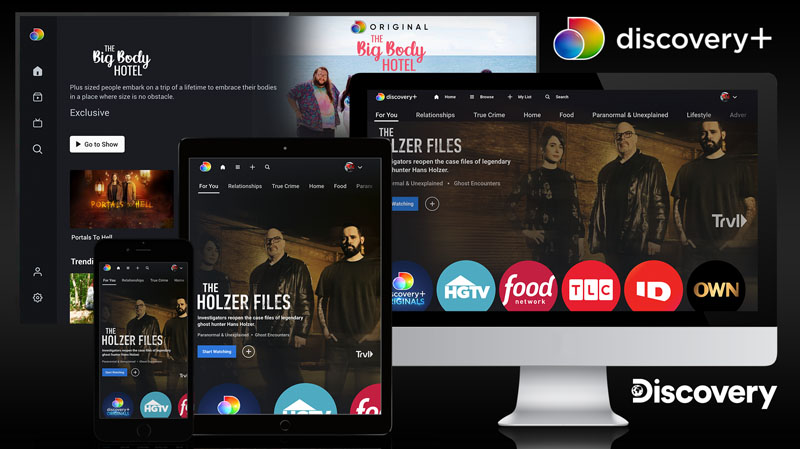
Open the web case →Selected examples across enterprise platforms, streaming experiences, UX strategy and digital transformation.